
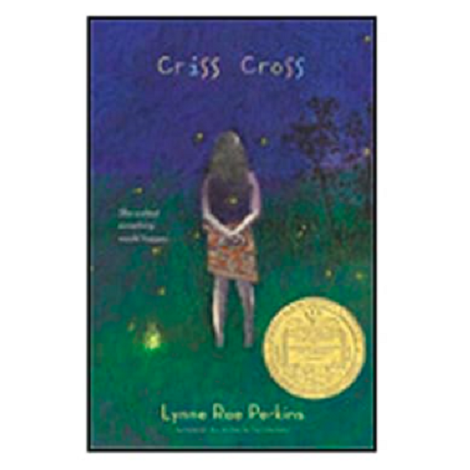
Criss Cross by Lynne Rae Perkins is not the kind of novel that depends on dramatic action, shocking twists, or larger-than-life adventures to leave a lasting impression. Instead, it succeeds through something far more difficult to achieve in literature: emotional honesty. This Newbery Medal-winning novel captures the subtle, confusing, awkward, and beautiful experience of growing up with remarkable sensitivity and intelligence. It is a story about ordinary teenagers living ordinary lives, yet the emotional depth and authenticity of those experiences make the novel unforgettable.
At first glance, Criss Cross may appear deceptively simple. The plot follows a group of teenagers navigating friendships, crushes, boredom, family relationships, and personal uncertainty in a suburban American town during the 1970s. There are no villains, no life-or-death stakes, and no dramatic conflicts driving the narrative forward. However, beneath that quiet surface lies a deeply thoughtful exploration of identity, loneliness, and human connection. Lynne Rae Perkins transforms everyday moments into meaningful reflections on adolescence and self-discovery.
What makes this novel stand out is the way it understands young people. Perkins writes teenagers not as exaggerated stereotypes but as real individuals trying to understand themselves and the world around them. The characters are uncertain, hopeful, awkward, curious, and emotionally vulnerable in ways that feel entirely believable. Readers quickly recognize parts of themselves within these characters, whether through their insecurities, daydreams, or desire to feel connected to others.
A Story Built Around Realistic Teenage Experiences
One of the greatest strengths of Criss Cross is its realism. The novel does not rely on sensational drama because adolescence itself provides enough emotional complexity to sustain the story. Perkins captures the feeling of being at an in-between stage of life where everything feels both exciting and confusing. The characters are old enough to think deeply about the future yet still young enough to feel uncertain about their place in the world.
The story primarily focuses on Debbie, Hector, Lenny, Patty, and several other interconnected characters whose lives overlap in subtle but important ways. Each character is searching for meaning, identity, or emotional connection. Some are dealing with loneliness, while others are trying to discover what truly makes them happy. Their journeys are quiet, internal, and deeply relatable.
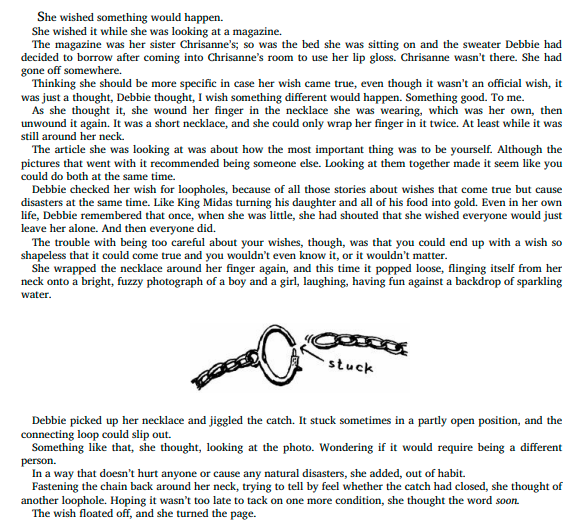
Debbie, for example, feels emotionally restless and dissatisfied without fully understanding why. She longs for something to change in her life, though she cannot clearly define what she is searching for. This emotional uncertainty becomes one of the novel’s most relatable themes because many readers, especially adolescents, understand the feeling of wanting life to become “more” without knowing exactly what that means.
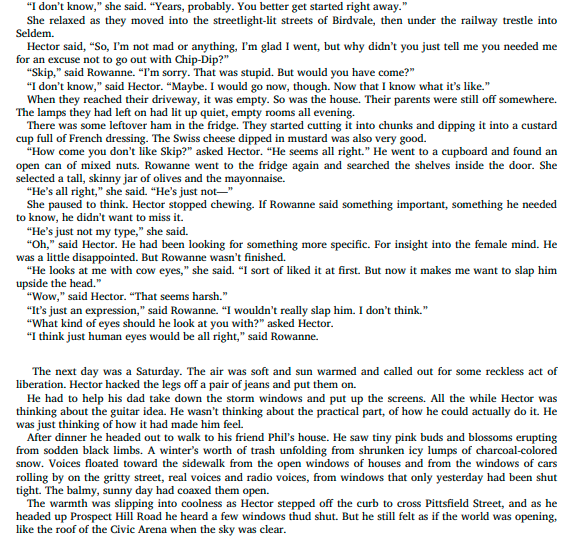
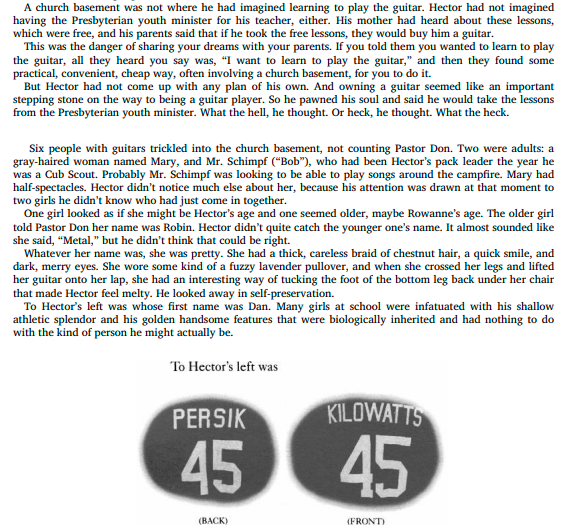
Hector, meanwhile, is thoughtful and intelligent but somewhat isolated socially. His fascination with music and culture reveals his desire to connect with a wider world beyond his immediate environment. Perkins portrays him with warmth and empathy, making him one of the novel’s most memorable characters.
The interactions between these teenagers feel natural rather than scripted. Conversations wander realistically, awkward silences occur frequently, and moments of emotional significance often happen unexpectedly. Perkins understands that adolescence is rarely dramatic in obvious ways. Instead, small interactions—a glance, a conversation, a shared song, or an unexpected act of kindness—can carry enormous emotional weight.
The Unique Narrative Style That Gives the Novel Its Charm
Another reason Criss Cross feels so distinctive is Lynne Rae Perkins’ writing style. The narrative moves fluidly between characters and perspectives, creating a mosaic-like portrait of teenage life. Instead of following a single protagonist through a straightforward storyline, the novel allows readers to experience the thoughts, emotions, and observations of multiple characters.
This fragmented structure mirrors adolescence itself. Teenage years often feel scattered and uncertain, filled with disconnected moments that slowly begin forming a larger sense of identity. Perkins captures this beautifully through her storytelling approach. Different scenes and experiences crisscross throughout the novel, eventually creating emotional connections between characters and themes.
The prose itself is simple yet poetic. Perkins has an extraordinary ability to describe ordinary moments in ways that feel emotionally profound. A car ride, a conversation at dinner, listening to music, or watching someone from across the room all become meaningful experiences under her careful writing. The language never feels overly complicated, but it carries emotional depth that resonates long after reading.
One particularly impressive aspect of the novel is its pacing. Some readers expecting a traditional fast-moving plot may initially find the story slow. However, the gentle pacing is intentional and essential to the novel’s atmosphere. Perkins invites readers to slow down and pay attention to the emotional details of everyday life. In doing so, she creates a reading experience that feels reflective and immersive.
Friendship, Loneliness, and the Search for Connection
At its core, Criss Cross is a novel about human connection. Nearly every character in the story is searching for understanding, companionship, or emotional closeness in some form. The novel explores how friendships shape identity and how loneliness can exist even when surrounded by people.
Perkins portrays friendship with remarkable realism. The relationships between the characters are not idealized or overly sentimental. Friends misunderstand one another, drift apart temporarily, and struggle to communicate their feelings. Yet these relationships remain deeply meaningful because they provide comfort and understanding during uncertain stages of life.
The novel also highlights how isolated teenagers can sometimes feel emotionally. Many of the characters experience moments of quiet loneliness, even when participating in social activities. Perkins presents this loneliness not as dramatic suffering but as a natural part of growing up. Adolescence often involves questioning who you are and whether anyone truly understands you.
Music becomes an important symbol of connection throughout the story. Songs and cultural references help characters express emotions they struggle to articulate directly. This element gives the novel a nostalgic atmosphere while also reinforcing its emotional themes. Music acts as a bridge between people, helping them feel less alone.
Why the 1970s Setting Works So Well
Although Criss Cross was published in the 2000s, the novel’s 1970s setting adds an important layer to the reading experience. Perkins recreates suburban American life during that era with subtle detail and authenticity. The absence of modern technology, social media, and smartphones allows the characters to engage more directly with their thoughts, surroundings, and relationships.
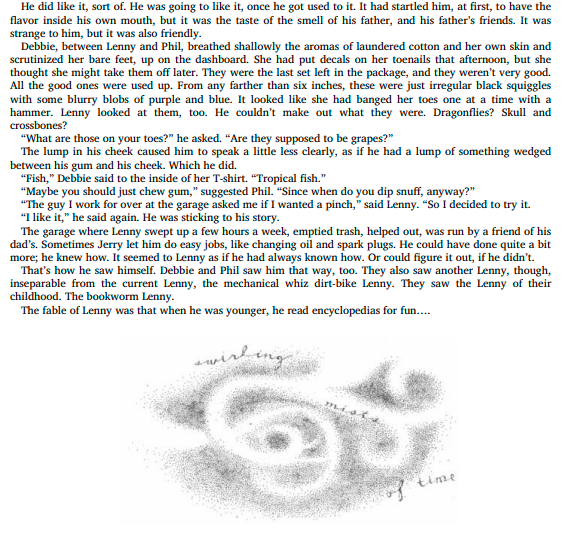
Teenagers in the novel spend time talking face-to-face, listening to records, riding bikes, attending school events, and simply existing in moments of boredom or reflection. This slower pace gives the story a timeless quality. While modern readers may not share the exact cultural experiences of the characters, the emotional realities remain universal.
The setting also contributes to the novel’s atmosphere of quiet introspection. Without constant digital distractions, the characters have more opportunities to think deeply about themselves and others. Perkins uses this environment to emphasize emotional nuance and personal growth.
The Emotional Intelligence Behind the Novel
Perhaps the most remarkable quality of Criss Cross is its emotional intelligence. Lynne Rae Perkins demonstrates an exceptional understanding of how young people think and feel. She captures the emotional contradictions of adolescence with honesty and compassion.
Teenagers in this novel are simultaneously confident and insecure, independent and vulnerable, hopeful and uncertain. They crave connection yet fear embarrassment. They want life to feel meaningful but often struggle to express their emotions clearly. Perkins portrays these contradictions without judgment, allowing readers to empathize deeply with the characters.
The novel also respects its audience by refusing to oversimplify emotional experiences. There are no easy life lessons or neatly resolved conflicts. Instead, the story acknowledges that growing up is complicated and ongoing. Self-discovery does not happen in one dramatic moment but through countless small experiences and realizations.
This emotional realism is one reason why Criss Cross continues to resonate with readers years after its publication. The novel understands that adolescence is not just a transitional phase but a deeply significant emotional experience.
A Newbery Winner That Earned Its Recognition
Winning the Newbery Medal is a major achievement in children’s literature, and Criss Cross fully deserves that recognition. The novel stands apart from many middle-grade and young adult books because of its literary sophistication and emotional subtlety.
Rather than focusing on commercial trends or high-concept storytelling, Perkins created a thoughtful, character-driven novel that values introspection and emotional truth. This makes the book particularly meaningful for readers who appreciate reflective stories with strong thematic depth.
The Newbery committee likely recognized the novel’s ability to portray adolescence in such a nuanced and authentic way. Perkins trusts readers to engage with quiet moments and emotional complexity, which is a rare quality in literature aimed at younger audiences.
Who Should Read Criss Cross?
While Criss Cross is technically categorized as children’s or middle-grade literature, its themes and emotional insights make it suitable for readers of all ages. Younger readers may connect with the characters’ struggles and friendships, while adult readers often appreciate the novel’s nostalgia and emotional wisdom.
The book is especially ideal for readers who enjoy:
- Character-driven storytelling
- Reflective coming-of-age novels
- Literary fiction with emotional depth
- Realistic portrayals of adolescence
- Quiet, thoughtful narratives
- Stories about friendship and self-discovery
Readers looking for fast-paced adventure or dramatic conflict may find the novel slower than expected. However, those willing to embrace its gentle pacing will likely discover a deeply rewarding reading experience.
Final Thoughts on Criss Cross by Lynne Rae Perkins
Criss Cross is a rare kind of novel—quiet, observant, emotionally intelligent, and profoundly human. Lynne Rae Perkins proves that ordinary moments can contain extraordinary emotional meaning when viewed with empathy and insight. Through its realistic characters, poetic prose, and thoughtful exploration of adolescence, the novel creates a reading experience that feels deeply personal and universally relatable.
What makes the book truly memorable is its honesty. Perkins does not romanticize teenage life, nor does she portray it as purely difficult. Instead, she captures adolescence as it really feels: confusing, hopeful, lonely, funny, awkward, and full of possibility. Every interaction, conversation, and moment of reflection contributes to a larger portrait of young people trying to understand themselves and one another.
Years after reading it, many readers continue to remember the emotional atmosphere of Criss Cross more than specific plot details. That lasting emotional resonance is a testament to Perkins’ talent as a writer. She reminds us that literature does not always need dramatic events to be powerful. Sometimes the quietest stories leave the deepest impact.
For anyone searching for a thoughtful and beautifully written coming-of-age novel, Criss Cross remains an exceptional choice and a worthy Newbery Medal winner.
Available Formats
EPUB
Book Innformation In Point
- Author: Lynne Rae Perkins
- Genre: Young Adult Fiction, Coming-of-Age, Realistic Fiction Teen & Young Adult Fiction about Self Esteem & Reliance Humorous Fiction
- Published: 2005
- Publisher: Greenwillow Books
- Pages: Approximately 352 pages
- Language: English
- Award: Winner of the 2006 Newbery Medal
- Setting: Suburban America during the 1970s
- Main Themes: Friendship, adolescence, identity, loneliness, self-discovery, human connection
- Main Characters: Debbie, Hector, Lenny, Patty, Phil, and others
- Writing Style: Poetic, reflective, character-driven, multi-perspective narrative
- Target Audience: Middle-grade readers, young adults, and literary fiction readers
- Notable Feature: The novel focuses on ordinary teenage experiences and emotional growth rather than dramatic action.
- Why Readers Like It: Authentic characters, emotional realism, thoughtful storytelling, and relatable teenage experiences.
Download Method Criss Cross by Lynne Rae Perkins
By Clicking on the below download button, you will initiate the downloading process of Criss Cross by Lynne Rae Perkins.The book is available in both ePub and PDF format with a single click, moreover we offer unlimited books for downloading without any spams, bombardment of ads. Flyers and needless links. Your support in regard to sharing with friends, family members, colleagues are always welcome. Do not forget to share your ideas and thoughts in the comment section.

EPUB
Related posts:
 Purity by Skyler Mason PDF Download
 Closer Home by Kerry Anne King PDF Download
 Leo by Mia Sheridan PDF Download
 The Funny Thing About Norman Foreman by Julietta Henderson PDF Download
 Milk Fed BY Melissa Broder PDF Download
 The Idiot BY Elif Batuman PDF Download
 The Ruins of Gorlan by John Flanagan The Ranger’s Apprentice, Book 1 PDF Download
 The Immortalists by Chloe Benjamin PDF Download
 Black Candle Women by Diane Marie Brown PDF Download
 Stars in an Italian Sky by Jill Santopolo PDF Download