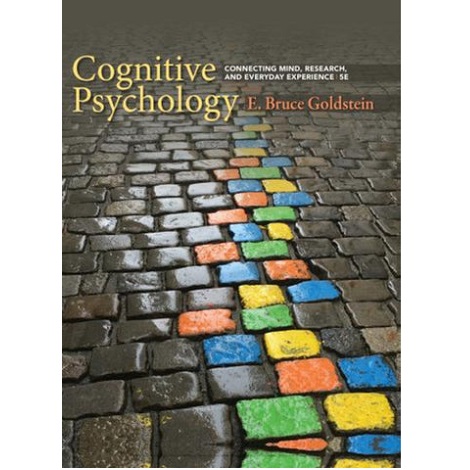
Cognitive Psychology by E. Bruce Goldstein is one of the most widely used and respected textbooks in the field of psychology. It has been adopted in universities across the world for undergraduate and graduate-level courses because of its clear writing style, strong scientific grounding, and ability to connect theory with real-world experiences.
Cognitive psychology itself is the study of mental processes such as perception, memory, attention, language, and decision-making. Goldstein’s book is designed to introduce these complex topics in a structured, accessible, and engaging way without sacrificing scientific depth.
What makes this book stand out is its balance: it is neither overly simplified nor excessively technical. Instead, it sits in the “perfect middle space” for learners who want to understand how the human mind works in a scientific but readable format.
Overall Structure and Organization of the Book
One of the strongest aspects of Goldstein’s book is its logical and progressive structure. The chapters are arranged in a way that mirrors how cognitive psychology developed as a discipline and how the brain processes information.
Typically, the book covers:
- Introduction to cognitive psychology and scientific methods
- Neural basis of cognition
- Perception
- Attention
- Short-term and working memory
- Long-term memory
- Knowledge representation
- Language
- Problem-solving and reasoning
- Decision-making
- Cognitive development and applied cognition
Each chapter builds on the previous one, which helps students gradually develop a deep understanding of complex concepts.
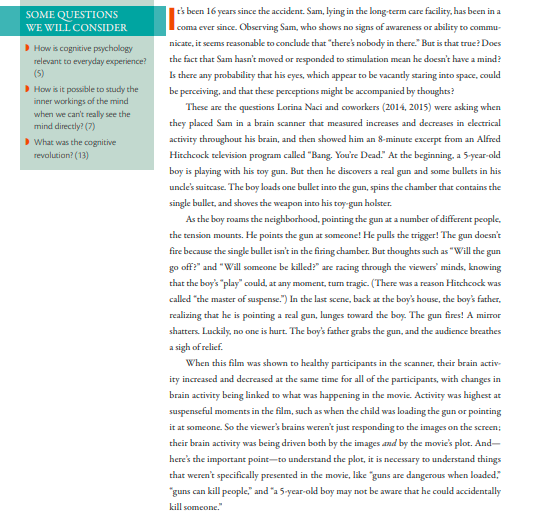
The inclusion of real experiments and research studies is another key feature. Instead of simply stating theories, the book shows how scientists discovered them.
Writing Style: Clear, Human, and Educational
The writing style of Goldstein is one of the main reasons for the book’s global popularity. Many psychology textbooks become difficult because they overload readers with jargon. However, Goldstein uses:
- Simple explanations
- Real-life examples
- Step-by-step breakdowns of concepts
- Frequent summaries
This makes it especially useful for beginners in psychology.
For example, when explaining memory systems, the book doesn’t just define terms like “working memory” or “episodic memory.” It connects them to everyday experiences such as remembering a phone number or recalling childhood events.
This “everyday connection approach” makes abstract concepts easier to grasp and retain.
Strengths of the Book
1. Strong Scientific Foundation
The book is heavily based on peer-reviewed research and experiments, which gives it academic credibility. It doesn’t rely on opinion; it explains how psychologists arrived at conclusions through controlled studies.
2. Excellent Use of Visuals
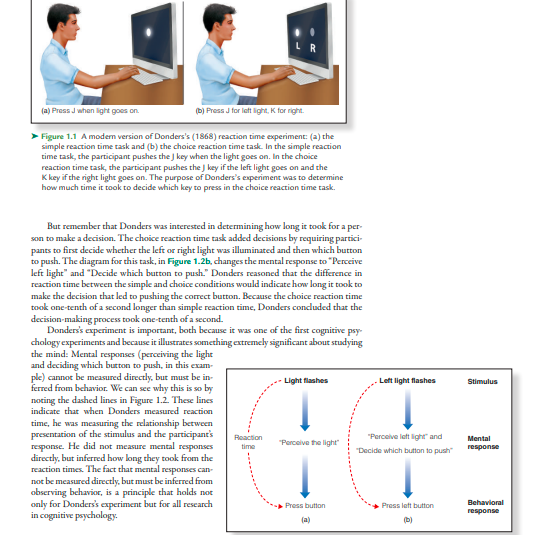
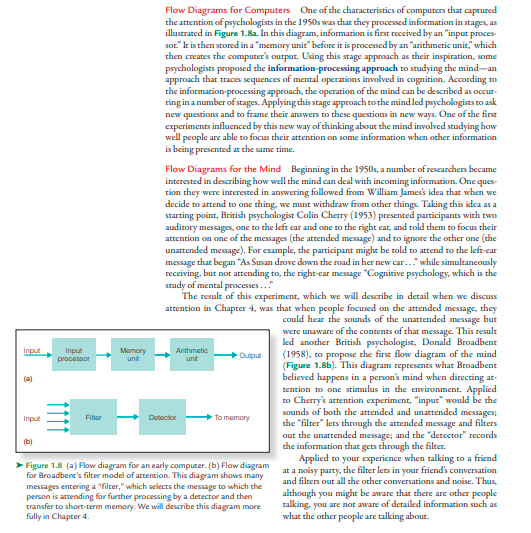
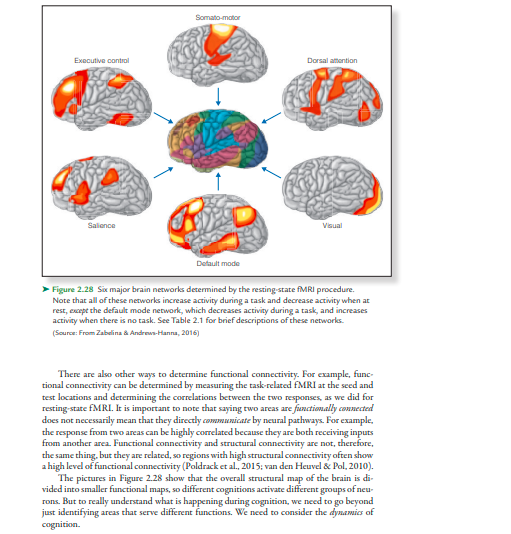
Diagrams, charts, and brain illustrations are used throughout the book. These visuals help simplify complex cognitive processes such as:
- Neural firing pathways
- Attention models
- Memory encoding systems
Visual learners benefit significantly from this feature.
3. Real-World Applications
One of the most valuable aspects is how the book connects cognitive psychology to real life, such as:
- Education and learning strategies
- Eyewitness testimony in legal systems
- Decision-making biases in daily life
- Language development and communication
This helps students understand that cognitive psychology is not just theoretical—it is practical and relevant.
4. Balanced Difficulty Level
Unlike some textbooks that are either too easy or too advanced, Goldstein finds a middle ground. This makes it ideal for:
- Undergraduate psychology students
- Competitive exam preparation
- Self-learners interested in human cognition
5. Updated Research Content
New editions of the book include modern findings from neuroscience, artificial intelligence, and cognitive science, keeping it relevant in today’s academic environment.
Weaknesses of the Book
No textbook is perfect, and Goldstein’s Cognitive Psychology also has some limitations.
1. Dense Information in Some Chapters
While the writing is clear, some chapters still contain heavy theoretical content that may feel overwhelming to beginners, especially topics like:
- Neural mechanisms
- Detailed memory models
2. Less Focus on Critical Debate
The book explains theories very well but sometimes does not deeply explore disagreements between different schools of thought in psychology.
3. Limited Cultural Perspective
Most examples and research studies are based on Western populations, which may limit global representation in psychological findings.
Learning Experience: How Students Benefit from This Book
Students who use this book often report a strong improvement in understanding:
- How memory actually works (not just memorization)
- Why attention is limited and selective
- How perception can be misleading
- How decisions are influenced by cognitive biases
One of the most powerful outcomes of reading this book is that it changes how students interpret everyday life. For example:
- Why people misremember events
- Why multitasking reduces performance
- Why first impressions are so strong
It trains the reader to think scientifically about human behavior.
Comparison With Other Cognitive Psychology Books
Compared to other popular textbooks such as:
- Cognition by Matlin
- Cognitive Psychology: A Student’s Handbook by Eysenck
Goldstein’s book stands out because it:
- Is more visually engaging
- Has better integration of research and examples
- Is easier to follow for beginners
- Maintains strong academic depth
This is why it is often considered a “standard textbook” in many psychology departments.
Who Should Read This Book?
This book is ideal for:
Psychology Students
Especially those in undergraduate programs or preparing for exams. Self-Learners
Anyone interested in understanding how the human mind works scientifically.
Researchers and Educators
Useful as a reference for teaching and academic grounding.
Curious Readers
People who want to understand thinking, memory, and decision-making.
Final Verdict: Is It Worth Reading?
Yes—Cognitive Psychology by E. Bruce Goldstein is absolutely worth reading if you want a serious but accessible introduction to how the human mind works.
It is not a casual psychology book; it is a structured academic textbook designed to build real understanding step by step. While it can feel dense at times, the clarity of explanation, research support, and real-world application make it one of the most reliable learning resources in cognitive psychology.
If your goal is to build a strong foundation in cognitive science, this book is one of the best starting points available.
Available Formats
EPUB