

Halle Dawson’s The Bond of Blood is a novel that situates itself at the intersection of familial loyalty, personal identity, and the enduring weight of the past. Blending elements of psychological drama with traces of suspense, Dawson crafts a narrative that probes how deeply blood ties shape individual choices—often in ways that are both protective and destructive. The novel is less concerned with outward action than with the internal negotiations of its characters, making it a reflective and, at times, unsettling reading experience.
Narrative Overview and Structure
At its core, The Bond of Blood revolves around a central family whose history is marked by secrecy, unresolved trauma, and unspoken obligations. The story unfolds through a layered narrative structure, often shifting between past and present, gradually revealing the events that have bound the characters together—and, paradoxically, driven them apart.
Dawson employs a nonlinear approach, allowing fragments of memory and revelation to accumulate into a fuller picture. This structure is effective in maintaining suspense, as key truths are withheld and disclosed strategically. However, it also demands careful attention from the reader, as the timeline is not always immediately clear. While this complexity enhances thematic depth, it may feel disorienting at times, particularly in the earlier chapters.
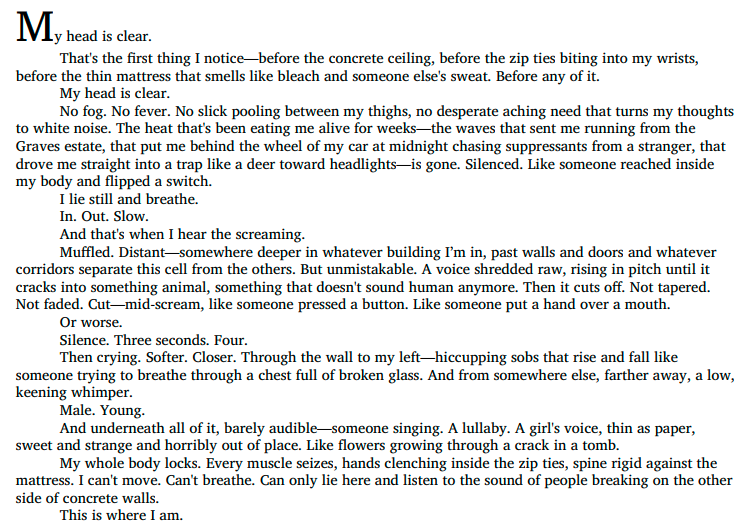
The pacing is deliberate rather than fast-moving. Instead of relying on dramatic plot twists, Dawson builds tension through emotional undercurrents and the gradual exposure of long-buried secrets. This approach aligns with the novel’s focus on psychological realism but may challenge readers expecting a more conventional, plot-driven narrative.
Themes: Family, Loyalty, and the Burden of Inheritance
The central theme of The Bond of Blood is encapsulated in its title: the idea that familial bonds are both inescapable and defining. Dawson interrogates the notion that “blood is thicker than water,” presenting it not as an unquestioned truth but as a complex, often burdensome reality.
One of the novel’s key concerns is the tension between loyalty and autonomy. Characters are repeatedly forced to choose between protecting their family and asserting their own moral or emotional independence. These conflicts are not presented in binary terms; rather, Dawson emphasizes the ambiguity inherent in such decisions. Loyalty, in this context, is not purely virtuous—it can also perpetuate cycles of silence and harm.
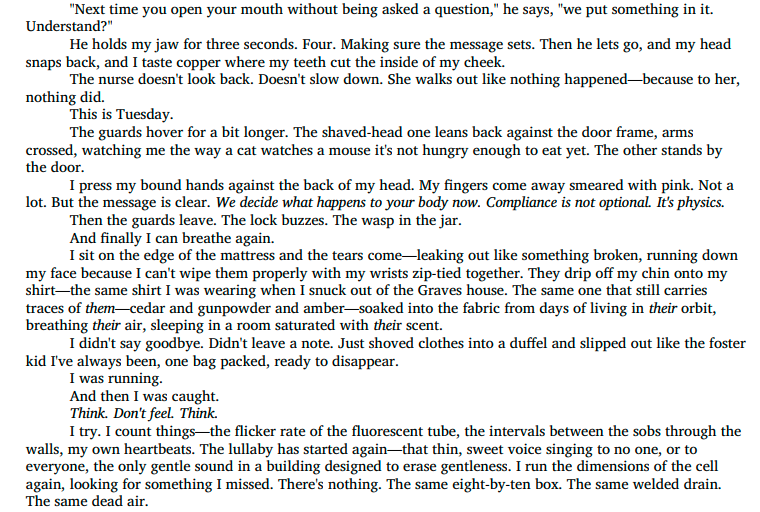
Another significant theme is the inheritance of trauma. The novel suggests that emotional wounds do not remain confined to a single generation but are transmitted, consciously or unconsciously, across time. Through its shifting timelines, The Bond of Blood illustrates how past actions continue to shape present realities, often in ways that characters struggle to fully understand.
Identity also plays a crucial role. Many of the characters grapple with questions of self-definition, particularly in relation to their family history. Dawson explores how identity can be both anchored and constrained by lineage, raising questions about whether it is possible to truly break free from one’s origins.
Characterization: Depth and Complexity
One of the novel’s strongest aspects is its nuanced characterization. Dawson resists the temptation to create clear-cut heroes or villains. Instead, her characters are morally complex, shaped by their circumstances and often driven by conflicting motivations.
The protagonist (or central focal character, depending on interpretation) is particularly well-drawn, embodying the tension between obligation and self-preservation. Their internal conflict is rendered with psychological precision, making their decisions feel both understandable and, at times, frustrating. This ambiguity is a strength, as it reflects the messy reality of human behavior.
Secondary characters are also given significant depth, each contributing to the broader thematic landscape. Family members are not merely background figures but active participants in the narrative’s moral and emotional dilemmas. However, the large cast can occasionally dilute focus, making it difficult to fully engage with every character’s arc.
Dialogue in the novel tends to be understated, often carrying subtext rather than explicit meaning. This reinforces the theme of unspoken truths but may require readers to read between the lines to fully grasp the significance of certain interactions.
Style and Language
Dawson’s prose is measured and evocative, favoring introspection over ornamentation. Her writing is particularly effective in conveying emotional states, capturing the subtle shifts in mood and perception that define the characters’ experiences. Descriptive passages are used sparingly but effectively, often reflecting the internal landscape of the characters rather than the external environment.
The tone of the novel is somber and contemplative, with moments of tension that arise organically from the narrative rather than being imposed. Dawson avoids sensationalism, even when dealing with heavy or potentially dramatic subject matter. This restraint lends the novel a sense of authenticity, though it may also make certain sections feel subdued.
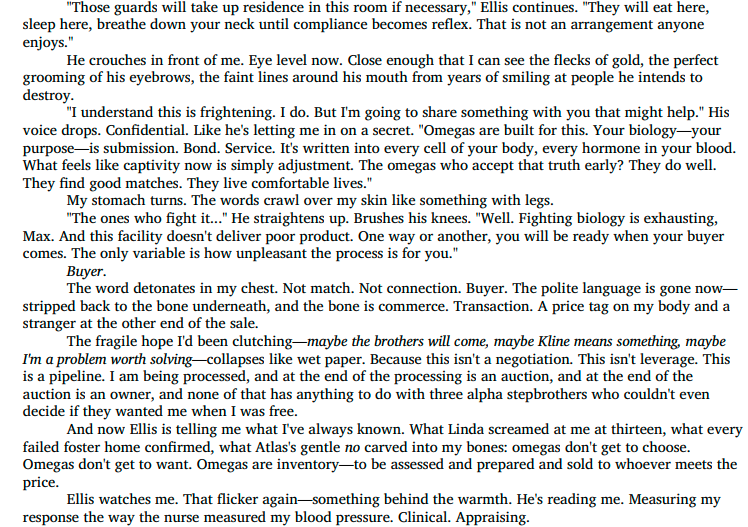
At times, the introspective nature of the prose can verge on repetitiveness, particularly when characters revisit the same emotional conflicts. While this may be intentional—mirroring the cyclical nature of unresolved trauma—it can slow the narrative momentum.
Psychological and Emotional Insight
A notable strength of The Bond of Blood lies in its psychological acuity. Dawson demonstrates a keen understanding of how individuals process guilt, loyalty, and grief. The novel delves into the ways people rationalize their actions, often blurring the line between justification and self-deception.
The portrayal of family dynamics is particularly compelling. Dawson captures the subtle power structures that exist within families—the expectations, alliances, and unspoken rules that govern behavior. These dynamics are portrayed with realism, highlighting how even well-intentioned actions can have unintended consequences.
The novel also engages with the concept of memory—how it is shaped, distorted, and selectively recalled. Characters’ recollections of past events often differ, underscoring the subjective nature of truth. This adds another layer of complexity, as readers must navigate multiple perspectives to piece together a coherent understanding of the narrative.
Strengths of the Novel
One of the most significant strengths of The Bond of Blood is its thematic richness. Dawson tackles complex issues with nuance, avoiding simplistic conclusions. The novel encourages reflection, prompting readers to consider their own assumptions about family, loyalty, and identity.
The layered narrative structure, while occasionally challenging, enhances the sense of mystery and discovery. The gradual unveiling of secrets keeps readers engaged, even in the absence of overt action.
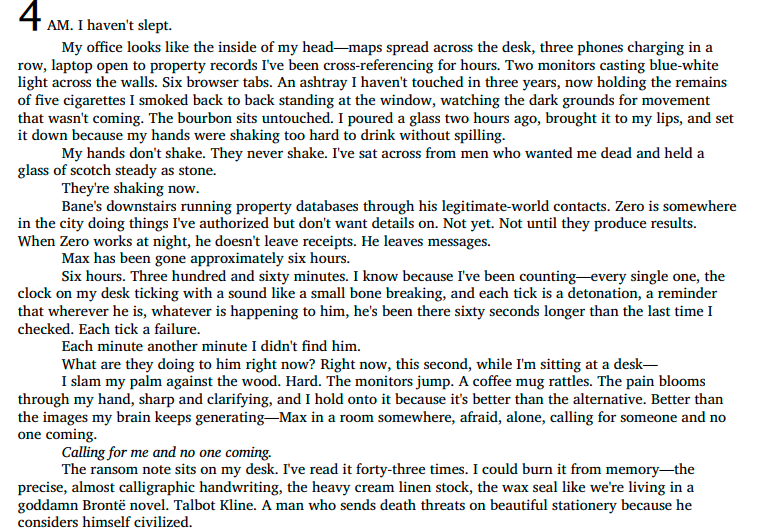
Additionally, the moral ambiguity of the characters adds depth to the story. By refusing to offer easy judgments, Dawson creates a more authentic and thought-provoking narrative.
Limitations and Critique
Despite its strengths, the novel is not without its shortcomings. The deliberate pacing, while thematically appropriate, may feel slow for some readers. Those seeking a more dynamic or plot-driven story may find the emphasis on introspection limiting.
The nonlinear structure, though effective in building suspense, can also lead to moments of confusion. A clearer delineation of timelines might have improved readability without sacrificing complexity.
Furthermore, the novel’s focus on internal conflict sometimes comes at the expense of external development. Certain plot points feel underexplored, leaving readers wanting a more concrete resolution.
Finally, while the themes are compelling, they are occasionally reiterated in ways that feel redundant. A more varied exploration of these ideas might have strengthened the overall impact.
Broader Interpretation and Significance
Beyond its immediate narrative, The Bond of Blood can be read as a broader commentary on the human condition. It challenges the idealized notion of family as inherently supportive, instead presenting it as a site of both connection and conflict.
The novel also speaks to the difficulty of breaking cycles—whether emotional, behavioral, or generational. Dawson suggests that awareness alone is not always sufficient; change requires difficult choices and, often, a willingness to confront uncomfortable truths.
In this sense, The Bond of Blood resonates as a meditation on responsibility—both to oneself and to others. It raises questions about how much individuals owe to their families and at what point self-preservation becomes a moral imperative.
Conclusion
The Bond of Blood by Halle Dawson is a thoughtful and layered novel that offers a nuanced exploration of family, identity, and the enduring impact of the past. Its strengths lie in its psychological depth, moral complexity, and thematic sophistication.
While the novel’s slow pacing and intricate structure may not appeal to all readers, those willing to engage with its introspective approach will find a rewarding and thought-provoking experience. Dawson does not provide easy answers, but rather invites readers to sit with ambiguity and reflect on the ties that bind—and sometimes constrain—them.
Ultimately, The Bond of Blood is a quietly powerful work that lingers in the mind, not because of dramatic events, but because of the questions it raises about loyalty, truth, and the possibility of change.
Available Formats
EPUB
Book Information
- Title: The Bond of Blood
- Author: Halle Dawson
- Genre: Contemporary Fiction / Psychological Drama Dark Romance Gay Romance Enemies to Lovers Romance
- Publication Year: Not widely documented (may vary by edition or release platform)
- Format: Novel
Download Method The Bond of Blood by Halle Dawson
By Clicking on the below download button, you will initiate the downloading process of The Bond of Blood by Halle Dawson.The book is available in both ePub and PDF format with a single click, moreover we offer unlimited books for downloading without any spams, bombardment of ads. Flyers and needless links. Your support in regard to sharing with friends, family members, colleagues are always welcome. Do not forget to share your ideas and thoughts in the comment section.
You may also like
Her’s to Defend by Ashley Davis PDF Download
Hope Rises by David Baldacci PDF Download
Deep Dark Truth by Debra Webb PDF Download
The Insomniacs by Allison Winn Scotch PDF Download

EPUB
Related posts:
 The Storm and the Rose by T.L. Johnson PDF Download
 Power Play by Emily Hayes PDF Download
 Chasing Red by Maggie Cole PDF Download
 The Remedy to His Madness by Aubree Pynn PDF Download
 Double Play by E.M. Lindsey PDF Download
 The Changeling’s Bond by Sam Burns PDF Download
 One Night Standards by Heather M. Orgeron PDF Download
 Hampton Holiday Collective by Abby Millsaps PDF Download
 Crown by Michelle St. James PDF Download
 Love + Other Lies by Donna Alam PDF Download