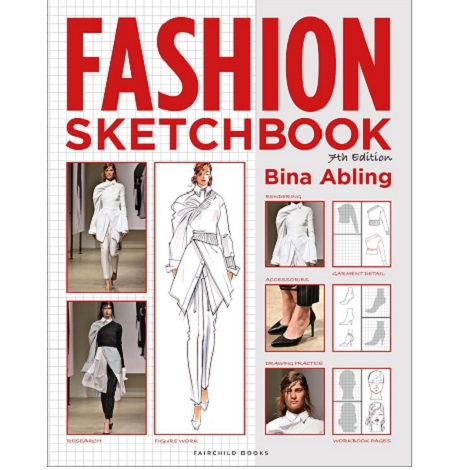
Fashion illustration is often the very first bridge between imagination and reality for a designer. Before fabric is cut, patterns are drafted, or garments are sewn, ideas must exist visually on paper. For many aspiring designers, learning how to sketch fashion figures and clothing is both exciting and intimidating. That is where Fashion Sketchbook by Bina Abling becomes one of the most trusted learning tools in fashion education.
This book has been widely used in fashion schools for years because it focuses on one of the most important foundational skills in design: fashion sketching. Unlike broader fashion textbooks that cover design theory, textiles, or industry knowledge, this book stays focused on illustration, proportions, and visual communication.
What makes it especially valuable is its step-by-step teaching style. Instead of assuming artistic ability, Bina Abling builds skills gradually, allowing beginners to grow from simple figure drawing to confident fashion illustration.
This review explores the structure, learning depth, visual quality, strengths, limitations, and overall value of Fashion Sketchbook for students, beginners, and creative learners.
A Strong Foundation for Fashion Illustration Beginners
One of the biggest strengths of Fashion Sketchbook is its accessibility. Many beginners feel that fashion illustration requires natural talent, but this book challenges that belief by breaking the process into manageable steps.
Bina Abling starts with the basics of:
- Human body proportions
- Fashion figure structure
- Croquis development
- Pose construction
- Movement understanding
Instead of overwhelming readers with advanced artistic techniques, the book builds confidence through repetition and guided practice. Each concept is introduced clearly and reinforced with examples.
This makes the book ideal for readers who are:
- Completely new to drawing
- Interested in fashion but lacking sketching experience
- Fashion students needing foundational practice
- Self-taught learners exploring design illustration
By focusing on fundamentals, the book ensures that readers develop correct habits early rather than struggling with unrealistic proportions or inconsistent sketching styles later.
Understanding the Fashion Croquis System
At the heart of fashion illustration is the croquis—a stylized fashion figure used to sketch clothing designs. Fashion Sketchbook dedicates significant attention to teaching how to construct and use croquis effectively.
Bina Abling explains:
- Standard fashion figure proportions (elongated 9-head or 10-head figures)
- Body alignment and balance
- Gesture and posture variation
- Movement flow and dynamic posing
- Front, side, and back views
What makes this section particularly useful is its clarity. Many illustration books present croquis as finished templates, but this book teaches how to build them from scratch.
This approach gives learners creative control. Instead of relying on pre-drawn figures, they begin to understand how to construct their own fashion models with correct proportions and expressive poses.
This skill is essential because professional designers often need to quickly sketch ideas without depending on templates.
Step-by-Step Fashion Drawing Techniques
The book excels in its structured teaching style. Each chapter builds logically on the previous one, allowing readers to gradually develop confidence.
It introduces:
- Basic line drawing techniques
- Gesture drawing for movement
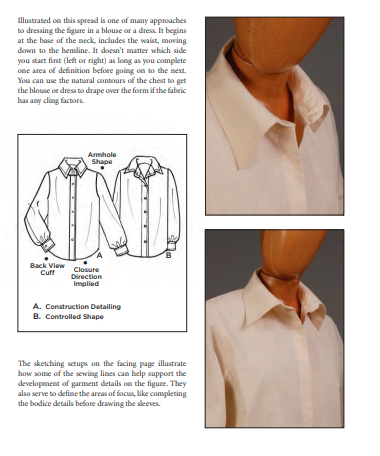
- Clothing structure over the human form
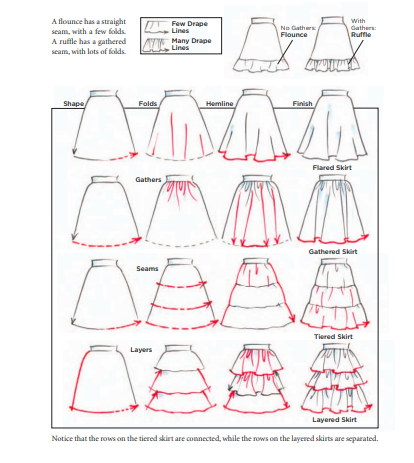
- Fabric flow and drape visualization
- Details such as folds, seams, and silhouettes
Bina Abling emphasizes observation and practice. Readers are encouraged to sketch repeatedly rather than aiming for perfection in a single attempt.
This method mirrors real fashion school training, where students refine their skills through continuous sketching exercises.
Another important aspect is how the book connects anatomy with clothing design. Instead of drawing clothing separately, readers learn how garments interact with the body, which improves realism and proportion accuracy.
Fashion Garment Sketching and Styling
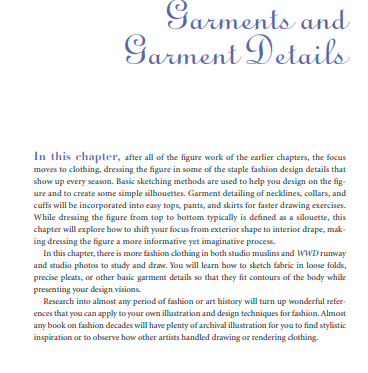
Beyond figure drawing, Fashion Sketchbook also explores how to sketch clothing in a believable and stylish way.
It covers:
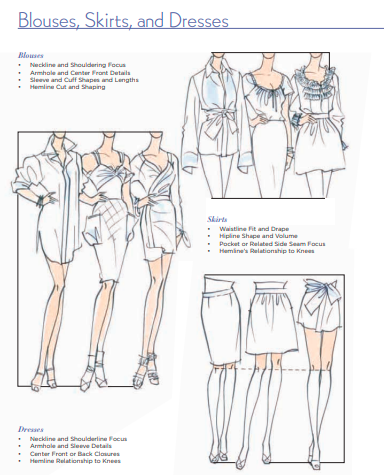
- Tops, skirts, trousers, and dresses
- Sleeve variations and collars
- Fabric movement and folds
- Clothing structure and layering
- Design detailing and embellishments
This section helps readers understand that fashion sketching is not just about drawing a body but about designing garments that fit and flow naturally.
The book also introduces styling awareness—how clothing choices affect the overall mood and identity of a design. Readers begin to see fashion illustration as storytelling rather than simple drawing.
This is particularly useful for students who want to develop a personal design identity.
Visual Learning Through Practical Examples
One of the strongest features of Fashion Sketchbook is its visual teaching method. The book is filled with:
- Step-by-step drawing demonstrations
- Before-and-after sketch progressions
- Illustrated fashion figures
- Clothing breakdown diagrams
- Practice exercises
These visuals are essential for fashion learners because illustration is a skill that cannot be learned through text alone.
Seeing how a basic stick figure evolves into a fully dressed fashion sketch helps readers understand the transformation process clearly.
The layout is clean, structured, and easy to follow, making it suitable for both classroom use and independent study.
For visual learners, this book becomes an interactive learning experience rather than just a reading material.
Developing Artistic Confidence
Many beginners struggle not with skill, but with confidence. They often feel that their sketches are “not good enough” compared to professional designers.
Fashion Sketchbook addresses this issue indirectly by encouraging consistent practice and gradual improvement. Instead of focusing on perfection, it emphasizes:
- Progress over perfection
- Repetition of techniques
- Experimentation with poses
- Building muscle memory through drawing
This approach helps reduce creative pressure and encourages learners to enjoy the process.
Over time, readers begin to see noticeable improvement in their sketches, which boosts motivation and artistic confidence.
Educational Structure and Learning Flow
The structure of the book is one of its most effective qualities. It is designed like a classroom curriculum rather than a casual art book.
It typically progresses in this order:
- Introduction to fashion sketching
- Human figure proportions
- Croquis construction
- Movement and pose development
- Clothing basics
- Advanced garment detailing
- Practice exercises
This logical progression ensures that learners do not skip essential foundational steps.
Each chapter builds directly on previously learned skills, reinforcing knowledge through repetition and application.
This makes the book especially suitable for academic use in fashion institutions.
Strengths of Fashion Sketchbook
There are several reasons why Fashion Sketchbook remains widely recommended:
- Extremely beginner-friendly
- Clear step-by-step instructions
- Strong focus on fundamentals
- Excellent visual demonstrations
- Structured learning system
- Practical drawing exercises
- Widely used in fashion schools
Its biggest strength lies in its simplicity. Instead of overwhelming readers with advanced illustration styles, it focuses on building strong basics first.
This makes it a reliable long-term reference for anyone serious about fashion design.
Limitations of the Book
While the book is highly effective, it does have some limitations.
It does not deeply cover:
- Digital fashion illustration
- Advanced rendering techniques
- Fashion branding or collection storytelling
- High-level artistic experimentation
- Contemporary illustration styles used in modern fashion media
As a result, more advanced learners may eventually need additional resources to refine their artistic style.
However, this is not necessarily a weakness, because the book is designed as a foundation guide rather than an advanced masterclass.
Who Should Read This Book?
Fashion Sketchbook is ideal for:
- Beginners in fashion illustration
- Fashion students in early semesters
- Self-taught designers learning sketching
- Creative individuals exploring fashion careers
- Anyone struggling with fashion figure drawing
It is especially valuable for readers who want structured guidance rather than random online tutorials.
Why Fashion Students Still Use It Today
Even in the age of digital illustration tools and online courses, Fashion Sketchbook remains relevant because fundamentals do not change.
Fashion design still requires:
- Understanding human proportions
- Ability to communicate ideas visually
- Knowledge of garment structure
- Clear sketching communication
This book teaches those timeless skills effectively.
That is why it continues to be used in fashion classrooms and recommended by instructors worldwide.
Final Verdict: Is Fashion Sketchbook Worth It?
Yes—absolutely.
Fashion Sketchbook by Bina Abling is one of the most reliable and structured books for learning fashion illustration from scratch. It removes the fear of drawing and replaces it with a clear, step-by-step learning system that builds real skill over time.
While it may not cover advanced digital techniques or modern experimental illustration styles, it excels at what it is designed for: teaching the fundamentals of fashion sketching in a simple, professional, and effective way.
For anyone serious about fashion design, this book is not just helpful—it is foundational.
Available Formats
EPUB
Book Innformation In Point
Author: Bina Abling
Language: English
Category: Fashion Illustration / Fashion Design / Drawing
Level: Beginner to Intermediate
Type: Fashion sketching textbook