
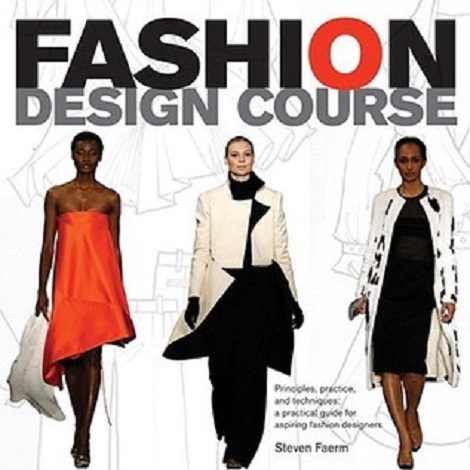
Fashion education can feel intimidating for beginners. Between expensive design schools, technical terminology, and the pressure to develop a creative identity, many aspiring designers struggle to know where to begin. That is exactly why Fashion Design Course by Steven Faerm has become such a respected and widely recommended resource in the fashion world.
Unlike many fashion books that focus on only one area—such as sketching, pattern making, or textile theory—this book takes a broader and more practical approach. Steven Faerm introduces readers to the foundations of fashion design while guiding them through the mindset, process, and creative development needed to succeed in the industry.
What makes this book stand out is its balance. It is educational without becoming overwhelming, visual without feeling shallow, and professional while still remaining accessible to complete beginners. Whether you are a fashion student, self-taught designer, illustrator, or someone curious about the industry, Fashion Design Course works as both an introduction and a long-term reference guide.
This review explores the strengths, weaknesses, learning value, visual presentation, and overall usefulness of the book for aspiring fashion designers.
A Beginner-Friendly Introduction to Fashion Design
One of the biggest strengths of Fashion Design Course is how approachable it feels from the very first chapter. Steven Faerm understands that beginners often feel intimidated by fashion education, so the book avoids unnecessary complexity while still maintaining professional depth.
Rather than immediately diving into technical construction or advanced theory, the book starts by helping readers understand what fashion design actually involves. It explains the creative process behind developing ideas, building collections, researching inspiration, and communicating visual concepts.
For newcomers, this approach is extremely helpful because it builds confidence early. Instead of making readers feel like outsiders to the fashion industry, the book invites them into the creative process step by step.
Many fashion books assume prior knowledge, but Fashion Design Course explains concepts clearly and visually. This makes it especially useful for:
- High school students interested in fashion careers
- Beginner fashion design students
- Self-taught creatives
- Fashion bloggers and illustrators
- Content creators interested in fashion aesthetics
The tone throughout the book feels encouraging and educational rather than overly academic.
Strong Visual Presentation Keeps Readers Engaged
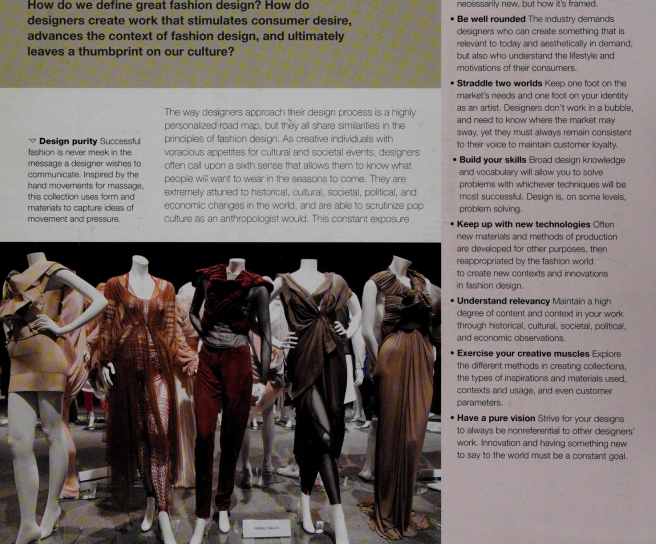
Fashion is a visual industry, and Steven Faerm understands that readers need more than text explanations. One of the most impressive aspects of the book is its visual design.
The pages are filled with:
- Fashion sketches
- Mood boards
- Garment illustrations
- Student work examples
- Creative layouts
- Color inspiration
- Portfolio samples
This visual richness helps transform abstract ideas into practical learning experiences. Readers can immediately see how design concepts evolve from inspiration into finished fashion pieces.
The layouts are modern, colorful, and highly engaging. Instead of feeling like a traditional textbook, the book often feels like a creative studio workshop.
This visual approach also improves learning retention. Readers are more likely to understand silhouette development, proportion, color harmony, and styling concepts when they can see examples directly on the page.
For visual learners, this book is especially effective.
The Book Explains the Fashion Design Process Clearly
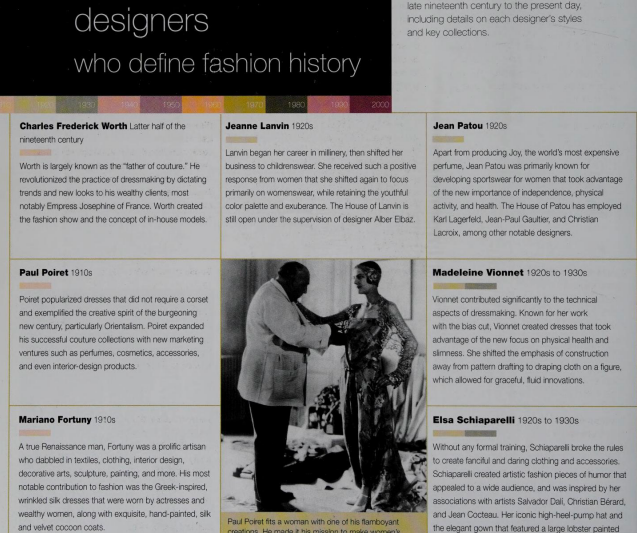
One reason Fashion Design Course has earned praise from fashion students is its detailed explanation of the actual design process.
Steven Faerm does not present fashion design as random creativity. Instead, he shows how successful designers move through structured stages such as:
- Research
- Inspiration gathering
- Trend analysis
- Concept development
- Sketching
- Fabric selection
- Collection planning
- Portfolio presentation
This process-oriented approach gives readers a realistic understanding of how professional fashion designers work.
Many beginners assume fashion design is simply drawing clothing, but this book demonstrates that design involves storytelling, research, branding, and communication. It teaches readers to think conceptually rather than simply decorating garments.
This section is particularly valuable because it encourages creative discipline. Readers begin understanding that successful fashion design combines artistry with strategy.
Fashion Illustration Guidance Is Practical and Accessible
Fashion sketching can be one of the most intimidating parts of learning fashion design. Fortunately, Fashion Design Course handles illustration in a beginner-friendly way.
The book introduces:
- Figure proportions
- Croquis drawing
- Garment sketching
- Movement and pose
- Fabric rendering
- Styling details
Rather than overwhelming readers with hyper-technical instruction, Steven Faerm focuses on helping readers develop confidence and visual communication skills.
The sketches throughout the book feel expressive rather than rigid. This encourages creativity instead of perfectionism, which is important for beginners who may feel discouraged by professional-level fashion illustration.
Although the book is not a complete fashion illustration masterclass, it provides enough foundational knowledge for students to begin developing their own sketching style.
For advanced illustrators, the content may feel basic, but for newcomers it is extremely effective.
Excellent Guidance on Building a Fashion Portfolio
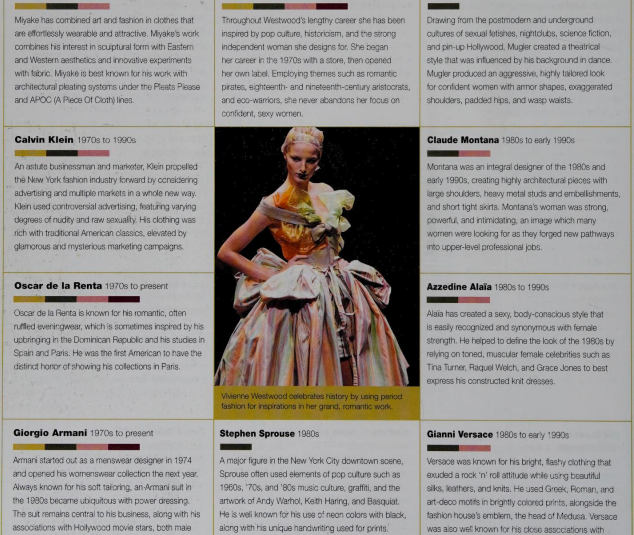
One of the most practical sections of the book focuses on portfolio development.
Fashion portfolios are essential for:
- Fashion school applications
- Internships
- Freelance work
- Brand development
- Creative direction roles
Many aspiring designers struggle to understand what should actually appear in a professional portfolio. Steven Faerm breaks this process down clearly and visually.
The book explains:
- Layout organization
- Visual storytelling
- Collection presentation
- Concept cohesion
- Editing work effectively
- Presenting creative identity
This section is especially valuable because it bridges the gap between creativity and professionalism.
Readers learn that a portfolio is not simply a collection of random drawings—it is a carefully curated presentation of design thinking and artistic direction.
The inclusion of real portfolio examples adds significant value because readers can compare weak and strong presentation methods directly.
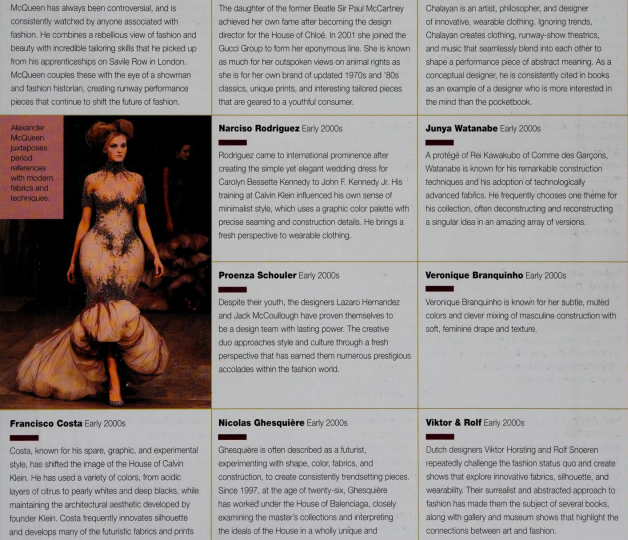
The Writing Style Feels Human and Encouraging
Some educational fashion books feel cold or overly technical. Fashion Design Course avoids that problem entirely.
Steven Faerm writes in a conversational and supportive tone that makes readers feel guided rather than lectured. The language remains professional while still being accessible.
This writing style matters because creative education can sometimes feel discouraging or elitist. Instead of intimidating readers, the book motivates them to continue learning and experimenting.
The tone also reflects the collaborative atmosphere of modern fashion education. Readers feel as though they are being mentored by an experienced instructor rather than reading a dry textbook.
This human quality is one of the reasons the book has remained popular among fashion students and self-learners alike.
Industry Insights Add Real-World Value
Another strong feature of the book is its connection to the actual fashion industry.
Rather than presenting fashion design as fantasy or glamour alone, Steven Faerm explains the realities of:
- Fashion careers
- Creative competition
- Brand identity
- Market positioning
- Professional expectations
This realistic perspective helps aspiring designers understand what the industry truly demands.
The book also emphasizes originality and concept development, which are critical in today’s competitive fashion landscape. Readers are encouraged to discover their own design voice instead of simply copying trends.
This guidance is valuable because many beginners focus too heavily on aesthetics without understanding the importance of branding and creative identity.
Areas Where the Book Feels Limited
Although Fashion Design Course is highly effective for beginners, it does have limitations.
Readers looking for highly technical instruction in:
- Pattern drafting
- Sewing construction
- Advanced draping
- Garment engineering
may find the book less detailed than specialized fashion textbooks.
The book introduces these concepts but does not explore them deeply. Its purpose is to provide a broad foundation rather than technical mastery.
For this reason, advanced fashion students will likely need additional resources later.
Some readers may also want more detailed business and manufacturing guidance, especially if their goal is launching a fashion brand. While the book touches on industry realities, it is primarily focused on creative development rather than entrepreneurship.
Still, these limitations are understandable because the book’s main goal is introductory education.
Why Fashion Students Love This Book
There is a reason this book repeatedly appears on fashion school recommendation lists.
Students appreciate it because it:
- Simplifies complex ideas
- Encourages creativity
- Feels visually inspiring
- Provides practical exercises
- Introduces professional thinking
- Builds beginner confidence
Many fashion books focus heavily on either art or technical construction. Fashion Design Course succeeds because it combines creativity, industry awareness, and visual communication in one accessible package.
It also feels modern compared to older fashion textbooks that may appear outdated in presentation style.
For young creatives entering fashion education, this modern approach makes the learning experience more exciting and relatable.
Who Should Read Fashion Design Course?
This book is ideal for:
- Beginner fashion designers
- Fashion students
- Self-taught creatives
- Aspiring fashion illustrators
- Portfolio builders
- Creative teenagers exploring fashion careers
It is especially valuable for readers who want a complete overview of the fashion design world before specializing in technical areas.
However, advanced professionals may prefer more specialized books focused on:
- pattern making
- couture construction
- textile science
- fashion business management
As an introductory resource, though, this book performs exceptionally well.
Final Verdict: Is Fashion Design Course Worth Buying?
Absolutely.
Fashion Design Course by Steven Faerm remains one of the best beginner-friendly fashion design books available today because it successfully balances creativity, education, and practical industry insight.
The book teaches readers how to think like designers rather than simply copy trends or sketch clothing. Its visual presentation keeps learning engaging, while its approachable writing style makes fashion education feel accessible instead of intimidating.
What truly makes the book valuable is its ability to inspire confidence. Readers finish the book feeling more informed, creatively motivated, and better prepared to explore the fashion industry seriously.
While it may not replace advanced technical textbooks, it serves as an outstanding foundation for anyone beginning their journey into fashion design.
For aspiring designers searching for a professional yet inspiring introduction to fashion, Fashion Design Course is absolutely worth reading.
Available Formats
EPUB
Book Innformation In Point
Language: English
Category: Fashion Design / Art & Design / Education
Level: Beginner to Intermediate
Publisher: Barron’s Educational Series
Type: Fashion design learning textbook
About the Book
A complete beginner-friendly guide that teaches how fashion designers think, create ideas, and develop collections from concept to presentation.
What It Covers
- Fashion sketching basics
- Idea development & inspiration
- Mood boards creation
- Collection building process
- Portfolio development
- Fashion industry introduction
Key Features
- Highly visual learning style
- Step-by-step explanations
- Real student examples
- Easy and practical language
- Professional design approach
Best For
- Fashion design beginners
- Students entering fashion school
- Self-learners in fashion
- Creative sketching learners
One-Line Summary
A beginner-friendly fashion design textbook that teaches how to think, plan, and create like a professional fashion designer from scratch.
Download Method Fashion Design Course by Steven Faerm
By Clicking on the below download button, you will initiate the downloading process of Fashion Design Course by Steven Faerm.The book is available in both ePub and PDF format with a single click, moreover we offer unlimited books for downloading without any spams, bombardment of ads. Flyers and needless links. Your support in regard to sharing with friends, family members, colleagues are always welcome. Do not forget to share your ideas and thoughts in the comment section.
You may also like
Cognitive Psychology by Michael W. Eysenck & Mark T. Keane PDF Download
Cognitive Psychology by E. Goldstein PDF Download
How Learning Works by Marsha C. Lovet & More PDF Download
Educational Psychology by Anita Woolfolk PDF Download