
How to Win Friends & Influence People by Dale Carnegie — The Enduring Blueprint for Meaningful Human Connection
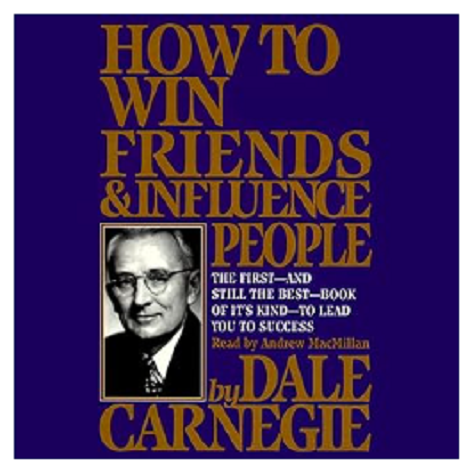
Few books in the self-help genre have achieved the timeless relevance and global influence of How to Win Friends and Influence People. First published in 1936, this landmark work by Dale Carnegie continues to shape the way individuals approach communication, relationships, and leadership. Nearly a century after its release, the book remains a cornerstone for anyone seeking to improve their interpersonal skills and navigate social and professional environments more effectively.
What distinguishes Carnegie’s work is its clarity and practicality. Rather than offering abstract theories or complex frameworks, How to Win Friends and Influence People delivers straightforward, actionable principles grounded in human psychology. Its central message is simple yet profound: success in life is largely determined by how well we understand and interact with others.
A Practical Philosophy Rooted in Human Nature
At its core, the book is built on a deep understanding of human behavior. Carnegie recognizes that people are driven by fundamental desires—to feel important, to be appreciated, and to be understood. By addressing these needs, he argues, individuals can foster stronger relationships and influence others more effectively.
The book is divided into several sections, each focusing on a specific aspect of interpersonal communication. Topics include handling people, making others like you, winning others to your way of thinking, and becoming a more effective leader.
What makes these principles enduring is their universality. Whether in personal relationships, business settings, or casual interactions, the insights Carnegie provides remain relevant. The book does not rely on trends or technological contexts; instead, it taps into the timeless aspects of human nature.
The Power of Genuine Interest
One of the book’s most emphasized principles is the importance of showing genuine interest in others. Carnegie argues that people are naturally drawn to those who listen attentively and express sincere curiosity about their lives.
This idea may seem simple, but its implications are significant. In a world where conversations often revolve around self-promotion, the act of truly listening can set individuals apart. Carnegie illustrates this through numerous anecdotes, demonstrating how small gestures—remembering someone’s name, asking thoughtful questions—can leave a lasting impression.
The emphasis on authenticity is particularly important. Carnegie warns against manipulation or insincerity, stressing that genuine interest cannot be faked. This distinction ensures that the book’s advice remains ethical and constructive.
Avoiding Criticism and Embracing Empathy
Another key theme in the book is the avoidance of criticism. Carnegie argues that criticizing others often leads to defensiveness and resentment, making it an ineffective way to influence behavior.
Instead, he advocates for empathy and understanding. By considering situations from another person’s perspective, individuals can communicate more effectively and resolve conflicts with greater ease.
This principle is especially relevant in leadership and management contexts. Leaders who approach their teams with empathy are more likely to inspire trust and cooperation. Carnegie’s insights anticipate many modern approaches to leadership, including emotional intelligence and servant leadership.
The Art of Persuasion
A significant portion of the book is dedicated to the art of persuasion. Carnegie outlines strategies for presenting ideas in a way that resonates with others, emphasizing the importance of aligning arguments with the interests and values of the audience.
One of his most famous techniques is allowing others to feel that an idea is their own. Rather than imposing opinions, he suggests guiding conversations in a way that leads others to arrive at the desired conclusion independently.
This approach reflects a sophisticated understanding of human psychology. People are more likely to support ideas they believe they have discovered themselves, making this technique both effective and respectful.
Leadership Through Encouragement
In its final sections, the book shifts focus to leadership, offering practical advice for guiding and motivating others. Carnegie emphasizes the importance of encouragement, recognition, and positive reinforcement.
He argues that people thrive in environments where their efforts are acknowledged and appreciated. By highlighting strengths rather than focusing solely on weaknesses, leaders can foster growth and confidence.
This perspective aligns with modern organizational practices, where employee engagement and morale are recognized as key drivers of success. Carnegie’s ideas, though written decades ago, remain strikingly relevant in contemporary workplaces.
Writing Style: Simple, Engaging, and Memorable
One of the reasons for the book’s enduring popularity is its accessible writing style. Carnegie’s prose is clear and conversational, making complex ideas easy to understand.

The use of real-life examples and anecdotes enhances the book’s appeal. These stories not only illustrate key principles but also make them more relatable and memorable. Readers can see how the concepts apply in practical situations, increasing the likelihood of implementation.
Additionally, the book’s structure—organized into concise principles—allows readers to revisit specific sections as needed. This modular approach adds to its long-term value.
Strengths That Define the Book’s Legacy
Timeless Relevance
The principles in How to Win Friends and Influence People are rooted in human nature, ensuring their applicability across generations.
Practical Application
The book offers actionable advice that can be implemented immediately, making it highly effective for personal and professional development.
Ethical Approach
Carnegie emphasizes sincerity and authenticity, ensuring that his methods promote genuine relationships rather than manipulation.
Broad Appeal
The insights are relevant to a wide audience, from students and professionals to leaders and entrepreneurs.
Criticisms and Limitations
Despite its many strengths, the book is not without its criticisms.
Repetition of Ideas
Some readers may find that certain principles are repeated throughout the book. While this reinforces key concepts, it can occasionally feel redundant.
Dated Examples
Given its original publication date, some anecdotes and references may feel outdated. However, the underlying lessons remain applicable.
Perceived Simplicity
Critics sometimes argue that the advice is overly simple or obvious. Yet, the effectiveness of the principles often lies in their simplicity—and in how rarely they are consistently applied.
Risk of Misinterpretation
If taken out of context, some techniques could be misused as manipulative. However, Carnegie’s emphasis on sincerity mitigates this risk.
Cultural Impact and Enduring Influence
The influence of How to Win Friends and Influence People extends far beyond the realm of self-help literature. It has shaped countless individuals, from business leaders to public speakers, and continues to be recommended as essential reading for personal development.
The book has also played a significant role in the evolution of communication training and leadership development programs. Many modern courses and seminars draw directly from Carnegie’s principles.
Its legacy is a testament to its effectiveness. Few books maintain such widespread relevance and popularity over such a long period.
Who Should Read This Book?
This book is ideal for:
- Individuals looking to improve their communication skills
- Professionals seeking to advance their careers
- Leaders aiming to build stronger teams
- Anyone interested in personal growth and relationships
It is particularly valuable for those who recognize that success is not solely determined by technical skills, but by the ability to connect with others.
Final Verdict
How to Win Friends and Influence People by Dale Carnegie is a timeless masterpiece that continues to offer valuable insights into human interaction. Its principles are simple yet powerful, providing a practical framework for building meaningful relationships and achieving success.
While some aspects of the book may feel dated, its core message remains as relevant as ever. In a world increasingly defined by digital communication and rapid change, the ability to connect with others on a human level is more important than ever.
Carnegie’s work serves as both a guide and a reminder—that empathy, sincerity, and understanding are at the heart of all successful relationships.
Available Formats
EPUB
Book Information
- Title: How to Win Friends and Influence People
- Author: Dale Carnegie
- Published: 1936
- Genre: Self-Help / Personal Development / Communication Friendship
- Core Theme: Building relationships and influencing people positively
- Key Focus: Communication skills, empathy, persuasion, leadership
- Writing Style: Simple, practical, and example-based
- Famous Principle: Show genuine interest in others
- Target Audience: Professionals, students, leaders, and general readers
Download Method How to Win Friends & Influence People by Dale Carnegie
By Clicking on the below download button, you will initiate the downloading process of How to Win Friends & Influence People by Dale Carnegie.The book is available in both ePub and PDF format with a single click, moreover we offer unlimited books for downloading without any spams, bombardment of ads. Flyers and needless links. Your support in regard to sharing with friends, family members, colleagues are always welcome. Do not forget to share your ideas and thoughts in the comment section.
You may also like
Rich Dad Poor Dad by Robert T. Kiyosaki PDF Download
Think and Grow Rich by Napoleon Hill PDF Download
Widow Mayker by M Monique PDF Download
Simon Says by SB Rogue PDF Download

EPUB
Related posts:
 Atomic Habits by James Clear PDF Download
 I Am Malala By Malala Yousafzai Free Download
 The 7 Habits of Highly Effective Teens by Sean Covey Free Download
 The Laws of Human Nature by Robert Greene Free Download
 Project 333 by Courtney Carver Free Download
 The 48 Laws of Power BY Robert Greene PDF Download
 Be Obsessed or Be Average by Grant Cardone Free Download
 The 8th Habit From Effectiveness to Greatness by Stephen R. Covey Free Download
 CARRIE SOTO IS BACK BY TAYLOR JENKINS REID PDF Download
 Unfuck Your Brain by Faith Harper PDF Download