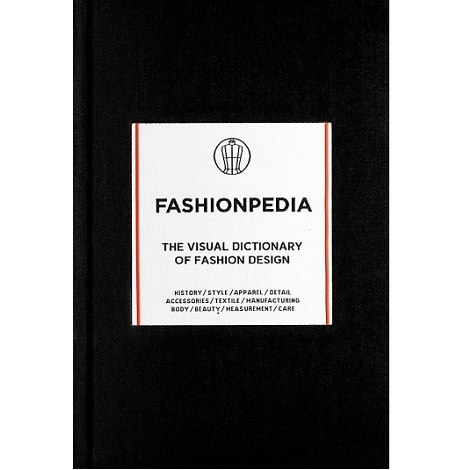
In the world of fashion education, there are books that inspire creativity, and there are books that teach technical precision. Very few manage to do both in a structured, highly visual, and practical way. Fashionpedia: The Visual Dictionary of Fashion Design by Fashionary belongs firmly to the second category.
Unlike traditional fashion textbooks that focus on theory or historical storytelling, Fashionpedia is designed as a highly organized visual reference system. It functions like an encyclopedia of fashion design terminology, garment construction details, fabric types, and technical components used in the fashion industry. For students, designers, illustrators, and fashion professionals, it acts as a daily-use reference rather than a one-time reading experience.
What makes the book particularly valuable is its clarity. Fashion is often full of complex terminology and overlapping technical concepts. Fashionpedia simplifies this complexity through structured visuals, diagrams, labels, and categorized explanations that make even advanced fashion knowledge easier to understand.
This review explores the book’s structure, strengths, weaknesses, usability, and overall relevance in modern fashion education.
A Unique Concept: Turning Fashion into a Visual Language System
The most important idea behind Fashionpedia is that fashion is a language.
Every garment is constructed using specific components:
- collars
- cuffs
- sleeves
- darts
- seams
- plackets
- waistbands
- pockets
For beginners, these terms can feel overwhelming. Even for intermediate fashion students, understanding how all these elements interact can be difficult without structured reference material.
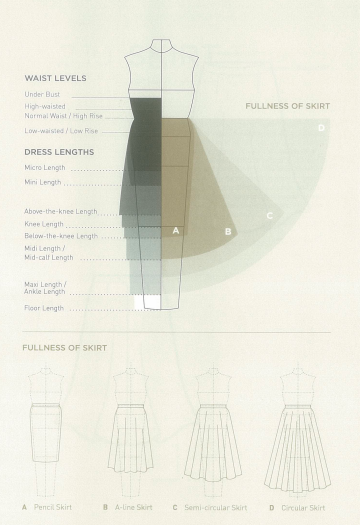
Fashionpedia solves this problem by presenting fashion as a visual dictionary rather than a narrative textbook. Instead of long paragraphs, it uses labeled illustrations and categorized breakdowns.
Each page is designed to answer a specific question:
- What is this garment part called?
- How is it constructed?
- What variations exist?
- Where is it used in fashion design?
This makes the book especially powerful for quick learning and professional referencing.
Visual Structure: The Strongest Feature of the Book
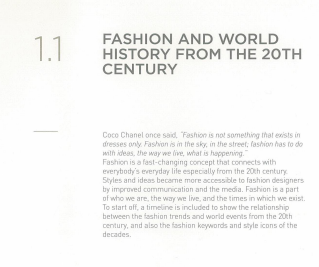
The defining strength of Fashionpedia is its visual clarity.
The book uses:
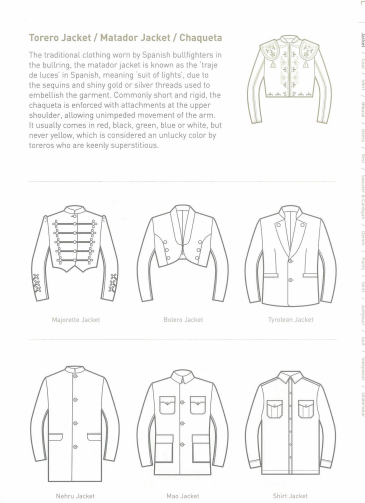
- Highly detailed technical illustrations
- Clean labeling systems
- Color-coded sections
- Structured diagrams of garments
- Side-by-side comparisons of design variations
This visual approach transforms complex fashion knowledge into something intuitive.
For example, instead of reading lengthy descriptions about sleeve types, readers can instantly compare:
- raglan sleeves
- set-in sleeves
- bell sleeves
- puff sleeves
- kimono sleeves
Each variation is visually explained with labels showing seams, construction lines, and functional differences.
This makes the book extremely effective for visual learners and design students who rely on sketching and pattern understanding.
Unlike many fashion books that prioritize aesthetics, Fashionpedia prioritizes clarity and function. The illustrations are not decorative—they are instructional.
Comprehensive Coverage of Fashion Design Elements
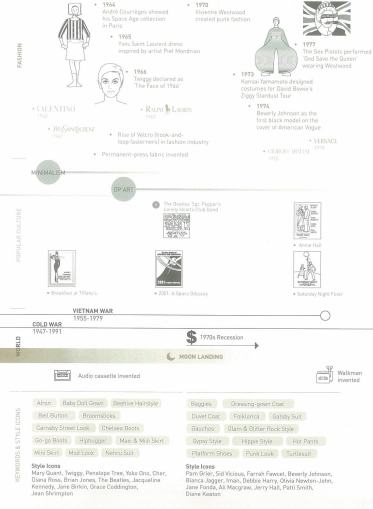
One of the most impressive aspects of Fashionpedia is its scope.
The book covers nearly every technical aspect of fashion design, including:
1. Garment Construction
- Basic garment structure
- Pattern components
- Seams and stitching types
- Silhouette building
2. Clothing Categories
- Tops
- Dresses
- Jackets
- Pants
- Skirts
- Outerwear
- Activewear
3. Design Details
- Necklines
- Sleeves
- Collars
- Closures (zippers, buttons, hooks)
- Decorative elements
4. Fabrics and Materials
- Natural fibers
- Synthetic fibers
- Textile properties
- Fabric behavior in garment construction
5. Fashion Industry Terminology
- Technical design terms
- Production vocabulary
- Fashion illustration language
This wide coverage makes the book feel like a complete technical dictionary for fashion professionals.
Instead of switching between multiple resources, students can rely on a single consolidated reference.
Educational Value for Fashion Students
For fashion students, Fashionpedia is especially valuable because it bridges the gap between theory and practice.
Many beginners struggle when transitioning from sketching ideas to understanding how garments are actually constructed. This book helps solve that problem by clearly connecting design elements with real-world garment structure.
For example:
- A drawn neckline is linked to its construction method
- A silhouette is explained through structural components
- Fabric choices are connected to garment behavior
This makes it easier for students to translate creative ideas into technically feasible designs.
It also helps with:
- fashion illustration accuracy
- patternmaking understanding
- garment analysis
- design communication
Because of its clarity, many fashion schools recommend it as a foundational reference book.
Usability: Designed for Continuous Reference
Unlike narrative fashion books that are read once, Fashionpedia is designed for repeated use.
It functions more like:
- a dictionary
- a technical manual
- a visual encyclopedia
Designers often return to it when:
- creating new collections
- sketching garments
- developing technical flats
- preparing production sheets
- communicating with manufacturers
Its structured format allows quick navigation, which is essential in fast-paced design environments.
This makes it especially useful in professional studios where accuracy and terminology consistency are critical.
Strengths of Fashionpedia
The book’s strongest qualities include:
1. Exceptional Clarity
Every concept is visually broken down, making complex fashion terms easy to understand.
2. Strong Technical Accuracy
It aligns well with industry-standard fashion terminology used in production and design.
3. Highly Organized Structure
Information is categorized logically, making navigation simple and intuitive.
4. Universal Usability
Useful for beginners, students, and professionals alike.
5. Visual Learning Focus
Perfect for designers who think in sketches and diagrams rather than text.
6. Practical Reference Value
Not just theoretical—it supports real design and production work.
Weaknesses and Limitations
Despite its excellence, Fashionpedia is not without limitations.
1. Not a Creative Inspiration Book
It does not focus on fashion storytelling, trends, or artistic exploration.
2. Limited Historical Context
Readers looking for fashion history or cultural evolution will find very little discussion here.
3. No Deep Construction Training
While it explains components clearly, it does not teach step-by-step sewing or patternmaking in detail.
4. Reference-Only Format
It is not designed for continuous reading, which may limit engagement for some users.
These limitations are not flaws in design but rather a reflection of its purpose as a technical reference guide.
Comparison with Other Fashion Books
Compared to other popular fashion books:
- Unlike Patternmaking for Fashion Design, it does not focus on construction depth
- Unlike Fashion by DK, it does not focus on historical storytelling
- Unlike Worn, it does not explore labor or sustainability
Instead, it occupies a unique position as a pure visual fashion dictionary.
This makes it complementary rather than competitive with other fashion books.
Why Fashionpedia Stands Out in Fashion Education
The biggest achievement of Fashionpedia is its ability to standardize fashion knowledge visually.
In an industry where terminology can vary across regions, schools, and production systems, having a unified visual reference is extremely valuable.
It helps:
- reduce communication errors
- improve design clarity
- support technical accuracy
- streamline fashion education
Its structured approach makes fashion more accessible without oversimplifying it.
Final Verdict
Fashionpedia by Fashionary is one of the most effective visual reference books in modern fashion education.
Its greatest strengths include:
- clear visual explanations
- comprehensive technical coverage
- strong usability as a reference tool
- excellent educational support for students
- industry-relevant terminology
Its main weaknesses include:
- lack of historical or cultural depth
- limited creative inspiration content
- absence of step-by-step garment construction training
However, these limitations do not reduce its value because the book is not intended to be an all-in-one fashion guide.
Instead, it succeeds brilliantly as a focused, highly structured fashion dictionary.
For fashion students, designers, illustrators, and professionals, Fashionpedia is an essential desk reference that enhances accuracy, understanding, and communication in fashion design.
It is not a book to read once—it is a tool to return to repeatedly throughout a fashion career.
In that role, it performs exceptionally well and remains one of the most practical and intelligently designed fashion reference books available today.
Available Formats
EPUB
Book Innformation In Point
- Book Title: Fashionpedia: The Visual Dictionary of Fashion Design
- Author/Publisher: Fashionary
- Genre: Fashion Design / Technical Reference / Visual Dictionary / Fashion Education
- Language: English
- Book Type: Visual Encyclopedia / Fashion Terminology Guide
Core Purpose
- To provide a complete visual dictionary of fashion design
- To explain fashion terminology through illustrations and diagrams
- To help designers communicate technical fashion ideas clearly
Main Topics Covered
- Garment components (collars, sleeves, cuffs, pockets, etc.)
- Clothing construction details
- Fashion silhouettes and categories
- Fabric types and textile basics
- Sewing and construction terminology
- Technical fashion illustration language
- Design details and garment variations
Key Features
- Highly detailed fashion illustrations
- Labelled diagrams for every garment part
- Color-coded sections for easy learning
- Clear visual breakdown of complex fashion terms
- Organized like a dictionary for quick reference
Best For
- Fashion design students
- Beginner to advanced designers
- Fashion illustrators
- Technical designers
- Apparel product developers
Learning Style
- Visual learning (diagram-based)
- Quick reference format
- Non-linear reading (use as needed)
- Practical industry terminology guide
Strengths
- Extremely clear visual explanations
- Industry-standard fashion terminology
- Easy to navigate and reference
- Useful for both learning and professional work
- Covers a wide range of fashion components
Weaknesses
- Not a fashion history book
- Limited storytelling or cultural context
- Does not teach deep sewing or patternmaking steps
- Mainly a reference tool, not a reading book
Educational Value
- Improves fashion communication skills
- Helps in sketching and technical drawing
- Supports garment development and production understanding
- Builds strong foundation in fashion vocabulary
Overall Purpose in Fashion Learning
Acts as a visual fashion dictionary and technical reference guide for designers to understand and communicate garment structure and terminology accurately.
Download Method Fashionpedia by Fashionary
By Clicking on the below download button, you will initiate the downloading process of Fashionpedia by Fashionary.The book is available in both ePub and PDF format with a single click, moreover we offer unlimited books for downloading without any spams, bombardment of ads. Flyers and needless links. Your support in regard to sharing with friends, family members, colleagues are always welcome. Do not forget to share your ideas and thoughts in the comment section.
You may also like
Worn by Sofi Thanhauser PDF Download
Fashion by DK PDF Download
Patternmaking For Fashion Design by Helen Joseph Armstrong’s PDF Download
Fashion Sketchbook by Bina Abling PDF Download