

Modern fiction often succeeds when it captures the emotional realities of human experience with honesty and subtlety. Crossing Oceans by Alex Husb is one such novel. Thoughtful, emotionally layered, and quietly powerful, the book explores the emotional and psychological impact of separation, migration, identity, and personal transformation.
Rather than relying on sensational drama or exaggerated conflict, Alex Husb builds a narrative rooted in emotional realism. The novel examines how people navigate physical and emotional distance while searching for belonging, stability, and connection in an increasingly fragmented world.
At its core, Crossing Oceans is not simply about travel or geographical movement. It is about the invisible emotional journeys people undertake when relationships change, cultures collide, and identity becomes uncertain. Through nuanced storytelling and carefully developed characters, the novel offers readers an introspective and emotionally resonant experience.
For readers who appreciate literary fiction with emotional depth, reflective themes, and character-driven storytelling, Crossing Oceans delivers a compelling and memorable narrative.
A Story Centered on Emotional and Physical Distance
The title Crossing Oceans functions both literally and symbolically throughout the novel. On the surface, the story deals with movement across countries, cultures, and borders. However, beneath that external journey lies a deeper exploration of emotional distance and internal transformation.
Alex Husb uses physical separation as a metaphor for loneliness, longing, emotional displacement, and the struggle to maintain meaningful human connections. Characters are constantly negotiating the tension between where they come from and where they hope to belong.

The novel examines how migration and relocation can reshape identity. Moving between worlds often creates emotional conflict because individuals may feel disconnected from both their past and present realities. Husb captures this emotional complexity with sensitivity and realism.
One of the most impressive aspects of the narrative is its restraint. Instead of forcing emotional moments, the story allows feelings to emerge naturally through dialogue, memory, silence, and reflection. This subtle approach gives the novel emotional authenticity and depth.
Characterization That Feels Authentic and Nuanced
The emotional strength of Crossing Oceans lies largely in its characters. Alex Husb creates individuals who feel believable because they are imperfect, emotionally conflicted, and psychologically layered.
The protagonists are not portrayed as heroes in the traditional sense. Instead, they are ordinary people facing difficult emotional realities: separation from loved ones, uncertainty about the future, cultural displacement, and the challenge of maintaining identity while adapting to change.
What makes the characterization particularly effective is the emotional subtlety. Characters often struggle to articulate their emotions directly, which mirrors real-life human behavior. Misunderstandings, emotional hesitation, and unresolved tension become central parts of the narrative.

Relationships within the novel are equally compelling. Romantic, familial, and personal connections are portrayed with realism rather than idealization. Love in Crossing Oceans is not presented as a perfect solution to emotional suffering. Instead, it becomes one aspect of a broader search for meaning and emotional security.
The emotional interactions feel honest because they acknowledge the complexity of human relationships. Affection coexists with disappointment, hope with fear, and connection with emotional distance.
Themes of Identity and Belonging
One of the novel’s most significant achievements is its exploration of identity. Crossing Oceans examines how identity evolves when individuals move between cultures, environments, and emotional realities.
The characters frequently experience feelings of displacement. Even when physically present in a new place, they carry emotional ties to their past. This creates an internal conflict between adaptation and preservation of self.
Alex Husb thoughtfully explores questions such as:
- What does it mean to belong?
- Can people truly leave their past behind?
- How do migration and emotional change reshape identity?
- What emotional sacrifices accompany personal growth?
These themes give the novel intellectual and emotional depth. Readers are encouraged to reflect not only on the characters’ journeys but also on broader questions about cultural identity, emotional resilience, and human connection.
The book’s treatment of belonging feels especially relevant in a modern world where migration, globalization, and emotional isolation increasingly shape personal experiences.
Emotional Isolation as a Central Theme
A recurring emotional thread throughout Crossing Oceans is isolation. The novel portrays loneliness not only as physical solitude but also as emotional disconnection.
Characters often feel misunderstood or emotionally detached despite being surrounded by others. Husb captures the quiet pain of emotional isolation with remarkable sensitivity.
Importantly, the novel does not romanticize suffering. Instead, it acknowledges how isolation can slowly influence emotional health, relationships, and self-perception. This realism strengthens the emotional impact of the story.
At the same time, Crossing Oceans also suggests that meaningful human connection remains possible even amid uncertainty and emotional distance. Small moments of understanding, empathy, and vulnerability become emotionally significant within the narrative.
This balance between emotional hardship and emotional hope prevents the novel from becoming overwhelmingly bleak.
Writing Style and Narrative Structure
Alex Husb’s writing style is elegant, reflective, and emotionally intelligent. The prose avoids unnecessary complexity while maintaining literary sophistication.
The language is carefully measured, allowing emotions to develop gradually rather than through exaggerated dramatic scenes. This restraint gives the narrative maturity and realism.
Descriptions are particularly effective. Whether portraying unfamiliar cities, quiet emotional moments, or internal psychological states, Husb creates vivid imagery without overwhelming the reader. The settings feel alive because they reflect the emotional states of the characters.
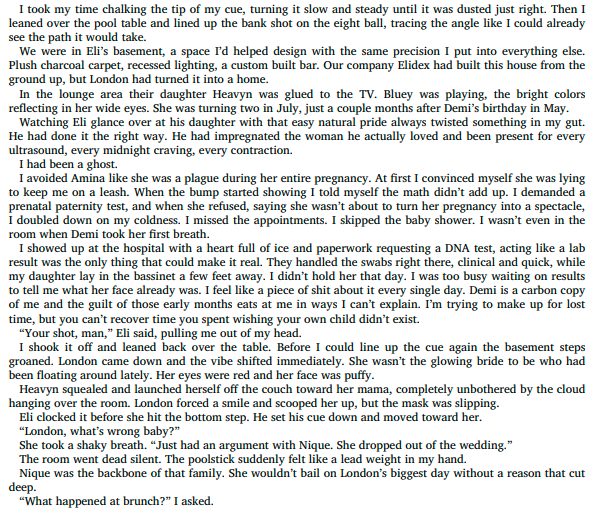
The pacing is deliberate but engaging. Readers looking for fast-paced action may find the novel slower than commercial fiction, but the measured rhythm suits the story’s introspective nature. The slower pace allows emotional themes and character development to unfold naturally.
The narrative structure also contributes to the book’s effectiveness. Moments of reflection, memory, and emotional tension are woven together smoothly, creating a cohesive reading experience.
The Novel’s Exploration of Human Relationships
Relationships in Crossing Oceans are portrayed with unusual emotional honesty. Alex Husb recognizes that relationships are often shaped by timing, circumstance, communication failures, and personal growth.
Romantic relationships in the novel feel emotionally grounded rather than idealized. Characters genuinely care for one another, yet external pressures and internal conflicts complicate their connections.
The novel also explores familial relationships with nuance. Family expectations, cultural traditions, emotional obligations, and generational differences all influence the characters’ decisions and emotional struggles.
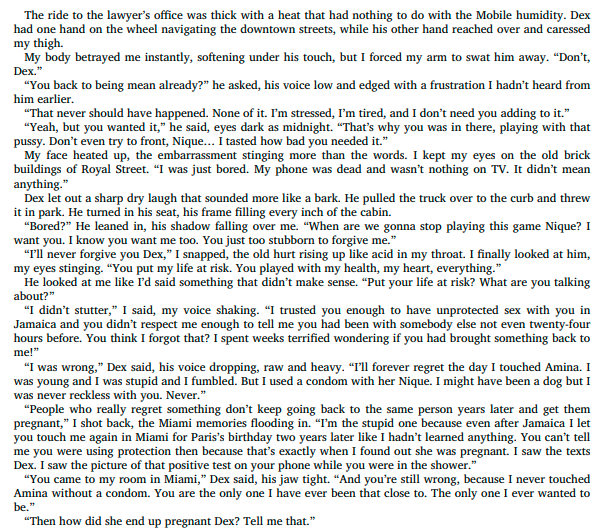
Friendships within the narrative provide moments of warmth and emotional stability, demonstrating how support systems can become essential during periods of personal uncertainty.
What makes these relationships compelling is their emotional realism. Characters make mistakes, avoid difficult conversations, and struggle with vulnerability in ways that feel deeply human.
Cultural and Social Relevance
Beyond its emotional narrative, Crossing Oceans carries broader social relevance. The novel reflects contemporary experiences associated with migration, globalization, and emotional fragmentation.
Many readers will recognize the emotional realities depicted in the story:
- Feeling disconnected from one’s roots
- Navigating cultural expectations
- Searching for emotional stability in unfamiliar environments
- Balancing personal ambition with emotional needs
- Managing relationships across long distances
The novel’s relevance extends beyond any single cultural background because its emotional themes are universal. Readers from different experiences can relate to the desire for belonging, understanding, and emotional security.
Alex Husb succeeds in presenting these themes without becoming overly political or didactic. The story remains focused on human experience rather than ideological messaging.
Strengths of Crossing Oceans
Emotional Authenticity
Perhaps the novel’s greatest strength is its emotional honesty. Characters behave in psychologically believable ways, and emotional conflicts feel genuine rather than manufactured.
Thoughtful Exploration of Identity
The book handles themes of migration, belonging, and identity with intelligence and sensitivity.
Strong Character Development
Characters evolve naturally throughout the story, shaped by emotional experiences and personal reflection.
Elegant Writing Style
Alex Husb’s prose is polished, reflective, and emotionally engaging without becoming overly sentimental.
Meaningful Themes
The novel addresses loneliness, love, displacement, and emotional resilience in ways that encourage thoughtful reflection.
Minor Weaknesses
While Crossing Oceans is emotionally rich and intellectually engaging, some readers may find its pacing slower than mainstream commercial fiction. The novel prioritizes emotional introspection over dramatic action, which may not appeal to audiences seeking constant plot twists.
Additionally, the emotional subtlety that strengthens the novel may occasionally feel understated for readers who prefer more explicit emotional confrontation or resolution.
However, these aspects are largely stylistic choices rather than flaws. Readers who appreciate literary and character-driven fiction will likely view the slower pacing and restraint as strengths.
Final Verdict: A Reflective and Emotionally Resonant Novel
Crossing Oceans by Alex Husb is a beautifully written and emotionally intelligent novel that explores the complexities of identity, migration, love, and emotional survival with remarkable depth.
Rather than relying on melodrama, Alex Husb builds emotional impact through realism, subtle character development, and thoughtful thematic exploration. The result is a novel that feels deeply human and emotionally authentic.
The book succeeds because it understands that some of life’s most difficult journeys are internal rather than physical. The oceans crossed within the story are emotional, psychological, and relational as much as geographical.
For readers who enjoy introspective literary fiction with meaningful emotional themes and nuanced character relationships, Crossing Oceans offers a rewarding and memorable reading experience.
Available Formats
EPUB
BOOK INFORMATION IN POINT
- Title: Crossing Oceans
- Author: Alex Husb
- Genre: Contemporary Fiction, Literary Fiction, Drama Black & African American Romance Black & African American Romance Fiction
- Themes: Identity, migration, emotional distance, belonging, love, self-discovery
- Target Audience: Readers who enjoy reflective, character-driven, and emotionally layered fiction
- Writing Style: Elegant, introspective, emotionally nuanced, descriptive
- Tone: Thoughtful, emotional, realistic, reflective
- Setting: Multiple cultural and geographical environments shaped by migration and personal transition
- Main Focus: The emotional and psychological impact of separation, relocation, and human connection
Key Themes
- Emotional isolation
- Cultural displacement
- Personal growth
- Human relationships
- Long-distance emotional struggles
- Identity and belonging
Notable Strengths
- Deep emotional realism
- Strong character development
- Meaningful thematic exploration
- Balanced pacing and introspection
- Sophisticated yet accessible writing style
Best For Readers Who Enjoy
- Literary fiction
- Character-driven narratives
- Emotional family and relationship stories
- Reflective contemporary novels
- Stories about migration and identity
Download Method Crossing Oceans by Alex Husb
By Clicking on the below download button, you will initiate the downloading process of Crossing Oceans by Alex Husb.The book is available in both ePub and PDF format with a single click, moreover we offer unlimited books for downloading without any spams, bombardment of ads. Flyers and needless links. Your support in regard to sharing with friends, family members, colleagues are always welcome. Do not forget to share your ideas and thoughts in the comment section.
You may also like
SINFUL DUTY by Madam Dee PDF Download
Gray Area by Kay Cove PDF Download
Scorched by Allegra Rose PDF Download
Always Been You by Q.B. Tyler PDF Download

EPUB
Related posts:
 His Chosen Wife by C. Monet PDF Download
 The Storyteller’s Secret by Sejal Badani PDF Download
 Love in the End Zone by Carina Rose PDF Download
 To Win a Prince by Toni Shiloh PDF Download
 Beyond Temptation By Brenda Jackson PDF Download
 JAYLEN BY KIMBERLY RAE JORDAN PDF Download
 MY SPANISH ROMANCE BY OLIVIA SPRING PDF Download
 Nora Goes Off Script by Annabel Monaghan PDF Download
 All Fired Up by Kathryn Shay PDF Download
 THE WILD SIDE OF HELL by ELIZABETH N. HARRIS PDF Download