

The Art of Loving You by Natasha Bishop is a contemporary romance novel that seeks to move beyond the conventions of its genre by focusing not only on love as a feeling, but as a skill—something learned, practiced, and refined over time. Combining emotional depth with character-driven storytelling, Bishop crafts a narrative that examines vulnerability, communication, and the complexities of modern relationships. While the novel embraces many familiar romantic tropes, it distinguishes itself through its introspective tone and emphasis on personal growth.
Plot Overview and Structure
At its core, The Art of Loving You follows two protagonists whose lives intersect under circumstances shaped by emotional baggage and unmet expectations. Both characters carry scars from past relationships, which influence how they approach intimacy, trust, and commitment. Rather than presenting love as an immediate or effortless connection, the novel frames it as a gradual process—one marked by missteps, learning, and self-reflection.
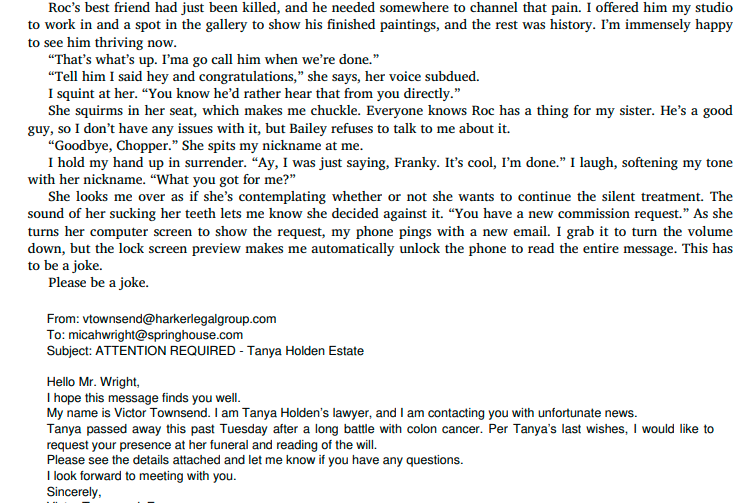
The narrative structure is largely linear, but it incorporates flashbacks and reflective passages that provide insight into the characters’ histories. These moments are crucial in understanding their fears and motivations, and they allow the reader to see how past experiences shape present choices. Bishop avoids over-reliance on dramatic plot twists; instead, the story’s tension arises from emotional conflicts and interpersonal dynamics.
Characterization: Realism and Emotional Depth
One of the novel’s defining strengths lies in its characterization. Bishop creates protagonists who feel authentic and relatable, largely because of their imperfections. They are not idealized figures of romance but individuals navigating uncertainty, insecurity, and the desire for connection.
The female lead is portrayed as emotionally intelligent yet guarded. Her reluctance to fully open up stems from prior disappointments, making her cautious in matters of the heart. The male protagonist, on the other hand, struggles with expressing vulnerability. His journey involves learning to communicate honestly and to confront his own emotional limitations.

What makes these characters compelling is the way their growth is interdependent yet not entirely reliant on each other. Bishop carefully avoids reducing either character to a mere catalyst for the other’s transformation. Instead, their relationship acts as a mirror, reflecting their strengths and flaws while encouraging personal development.
Supporting characters add texture to the narrative, offering alternative perspectives on love and relationships. Friends and family members serve as sounding boards, challenging the protagonists’ assumptions and reinforcing the novel’s thematic concerns.
Themes: Love as Practice, Not Perfection
The central theme of The Art of Loving You is encapsulated in its title: love is an art. Bishop suggests that meaningful relationships require effort, patience, and self-awareness. This perspective stands in contrast to the idealized notion of love as purely spontaneous or destined.
Communication emerges as a key motif throughout the novel. Misunderstandings and unspoken feelings create tension, illustrating how easily relationships can falter without honest dialogue. Bishop underscores the importance of listening—not just hearing words, but understanding intent and emotion.

Another significant theme is emotional healing. Both protagonists must confront their pasts in order to move forward. The novel emphasizes that unresolved trauma can hinder one’s ability to form healthy connections. However, it also presents healing as a gradual process rather than a definitive endpoint.
Additionally, the story explores the balance between independence and partnership. Bishop raises important questions: How much of oneself should be given to another person? Where should boundaries be drawn? These inquiries add depth to the narrative, encouraging readers to reflect on their own relationships.
Writing Style and Tone
Bishop’s writing style is reflective and emotionally nuanced. Her prose often leans toward introspection, with passages that delve into the characters’ thoughts and feelings. This approach allows for a deeper exploration of internal conflict, though it occasionally slows the pacing.

The tone of the novel is intimate and contemplative. Bishop excels at capturing subtle emotional shifts, using descriptive language to convey the complexity of human connection. Moments of tension are often quiet rather than dramatic, relying on dialogue and internal monologue rather than overt action.
Dialogue plays a crucial role in the narrative, serving as both a source of conflict and a means of resolution. Conversations between the protagonists feel natural and purposeful, though at times they may verge on repetition, particularly when revisiting unresolved issues.
Strengths of the Novel
One of the most notable strengths of The Art of Loving You is its thematic coherence. Every element of the story—from character arcs to dialogue—reinforces the idea of love as an evolving practice. This consistency gives the novel a strong sense of purpose.
The emotional authenticity of the characters is another highlight. Readers are likely to see aspects of themselves in the protagonists, whether in their fears, hopes, or mistakes. This relatability enhances the impact of the story, making it more than just a romantic narrative.
Bishop also deserves credit for her balanced portrayal of relationships. The novel does not shy away from depicting conflict or discomfort, acknowledging that love often involves difficult conversations and compromises. This realism adds credibility and depth.
Areas for Improvement
Despite its strengths, the novel is not without its shortcomings. The pacing can be uneven, particularly in sections dominated by introspection. While these passages contribute to character development, they may slow the narrative momentum for some readers.
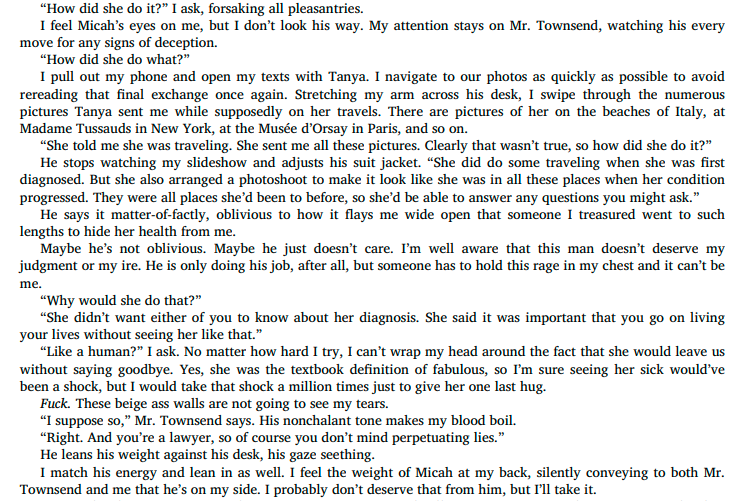
Additionally, certain conflicts feel prolonged, with similar issues revisited multiple times. While this repetition may reflect the cyclical nature of real-life relationships, it can occasionally detract from the story’s progression.
The resolution, while satisfying on an emotional level, may feel somewhat predictable. Bishop adheres to certain conventions of the romance genre, which could limit the element of surprise for experienced readers.
Overall Assessment
The Art of Loving You is a thoughtful and emotionally resonant exploration of modern relationships. Natasha Bishop demonstrates a keen understanding of human psychology, crafting a narrative that prioritizes emotional truth over dramatic spectacle.
The novel’s emphasis on communication, self-awareness, and personal growth sets it apart from more conventional romance stories. It invites readers to reconsider their assumptions about love, encouraging a more nuanced and realistic perspective.
While the pacing and occasional repetition may pose minor challenges, these issues do not significantly undermine the novel’s overall impact. Instead, they highlight the complexity of the themes Bishop seeks to explore.
Conclusion
In The Art of Loving You, Natasha Bishop offers a compelling reminder that love is not simply something we feel—it is something we do. Through its nuanced characters and introspective narrative, the novel captures the challenges and rewards of building meaningful connections.
Ultimately, the book succeeds in presenting love as both an art and a discipline, requiring effort, patience, and a willingness to grow. It is a reflective and engaging read, particularly suited for those who appreciate character-driven stories and thoughtful examinations of human relationships.
Available Formats
EPUB
.Book Information
- Title: The Art of Loving You
- Author: Natasha Bishop
- Genre: Contemporary Romance / Emotional Fiction Black & African American Literary Fiction Urban Life Romance Literary Fiction
- Themes:
- Love as a learned skill
- Communication in relationships
- Emotional healing and growth
- Trust, vulnerability, and self-awareness
- Main Characters:
- Female protagonist: emotionally aware but guarded
- Male protagonist: struggles with vulnerability and expression
- Setting:
- Contemporary, realistic everyday environments
- Narrative Style:
- Character-driven
- Linear storyline with reflective elements and past insights
- Tone:
- Emotional, introspective, and heartfelt
- Target Audience:
- Readers who enjoy realistic romance and emotional depth
- Fans of character-focused relationship stories
- Key Message:
- Love requires effort, patience, and communication
- Personal growth is essential for healthy relationships
- Notable Features:
- Strong emotional realism
- Focus on relationship dynamics
- Emphasis on communication and personal development
- Potential Limitations:
- Slow pacing in some parts
- Repetition of emotional conflicts.
Download Method The Art of Loving You by Natasha Bishop
By Clicking on the below download button, you will initiate the downloading process of The Art of Loving You by Natasha Bishop.The book is available in both ePub and PDF format with a single click, moreover we offer unlimited books for downloading without any spams, bombardment of ads. Flyers and needless links. Your support in regard to sharing with friends, family members, colleagues are always welcome. Do not forget to share your ideas and thoughts in the comment section.
You may also like
The Remedy to His Madness by Aubree Pynn PDF Download
Dress It Up by Cee Bowerman PDF Download
The Arachnid by I.V. Ophelia PDF Downlod
Necessary Sins by Elizabeth Bell PDF Download

EPUB
Related posts:
 Leo by Mia Sheridan PDF Download
 Sweet Silver Bells By Rochelle Alers PDF Download
 A Wallflower for the Duke by Ava MacAdams PDF Download
 All Fired Up by Kathryn Shay PDF Download
 A Private Affair by A.C. Arthur PDF Download
 Rockstar Daddy by Sarah Blake PDF Download
 The Path to the Last House Before the Sea by Liz Eeles PDF Download
 Time Out by Sean Hayes, Todd Milliner, and Carlyn Greenwald PDF Download
 Rocky Mountain Rendezvous by Misty M. Beller PDF Download
 We Are a Haunting by Tyriek White PDF Download