
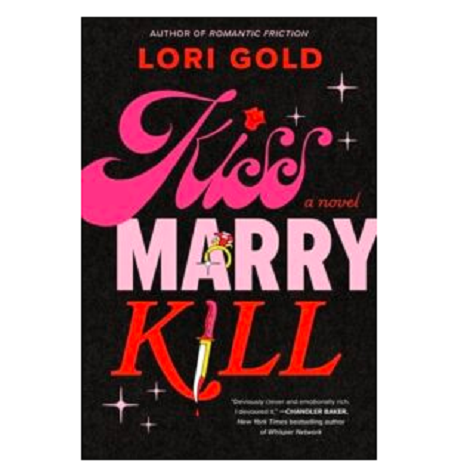
Lori Gold’s Kiss, Marry, Kill presents itself as a contemporary thriller infused with elements of domestic drama, exploring the tensions between love, loyalty, and betrayal. Known for her emotionally driven storytelling, Gold steps into darker territory with this novel, crafting a narrative that interrogates the complexities of modern relationships while maintaining an undercurrent of suspense. The result is a work that is both engaging and thought-provoking, though not without its limitations. This review examines the novel’s thematic depth, narrative construction, characterization, and overall effectiveness in delivering a compelling reading experience.
Overview and Narrative Premise
At its surface, Kiss, Marry, Kill revolves around a seemingly simple but provocative concept—how well do we truly know the people closest to us? The story follows a central protagonist whose life appears stable, even enviable, until a series of revelations begins to unravel the foundations of her relationships. What begins as a domestic narrative gradually transforms into a psychological exploration of trust and deception, punctuated by moments of tension and uncertainty.
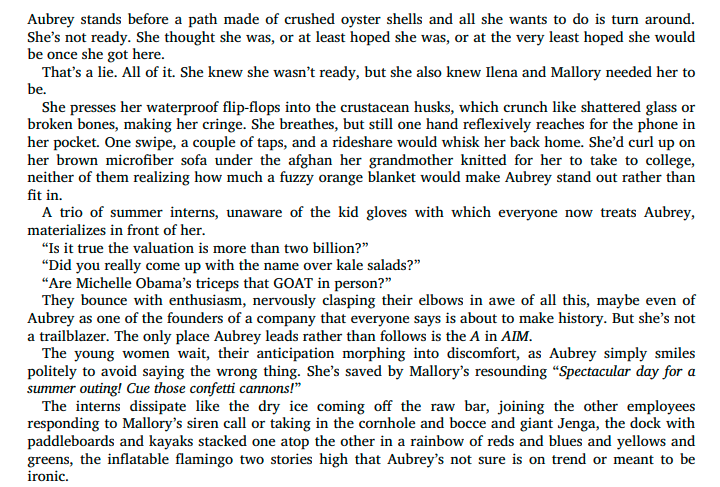
Gold structures the novel around a central mystery, using shifting perspectives and carefully timed revelations to sustain reader interest. The title itself evokes a familiar game, but within the context of the novel, it takes on a more ominous significance, suggesting that choices about love and commitment may carry unforeseen and dangerous consequences.
Themes and Conceptual Depth
One of the novel’s most compelling features is its engagement with complex and timely themes. Gold explores not only interpersonal relationships but also the broader cultural frameworks that shape them.
1. The Fragility of Trust
Trust operates as the narrative’s emotional core. The novel examines how trust is built, maintained, and ultimately broken. Characters grapple with doubt and suspicion, often questioning their own perceptions as much as the actions of others. This theme resonates strongly in a world where personal and digital identities can diverge dramatically.
2. Identity and Self-Perception
Gold delves into the idea that individuals often construct versions of themselves tailored to different audiences. The tension between authentic identity and performed identity becomes a recurring motif, raising questions about whether true transparency in relationships is ever achievable.
3. Power Dynamics in Relationships
The novel subtly interrogates power imbalances—emotional, financial, and psychological—within intimate partnerships. These dynamics are not always overt but emerge through dialogue and character behavior, adding layers of realism to the narrative.
4. Consequences of Choice
Echoing the implications of its title, the novel emphasizes that decisions—especially those made in moments of emotional intensity—can have far-reaching and irreversible consequences. This thematic focus lends the story a moral weight that extends beyond its thriller elements.
Characterization
Gold’s strength as a writer lies in her ability to create emotionally resonant characters, and Kiss, Marry, Kill is no exception.
- Protagonist: The central character is both relatable and flawed, navigating a complex emotional landscape. Her internal conflicts are rendered with nuance, allowing readers to empathize with her even when her decisions are questionable.
- Supporting Characters: The secondary cast is well-developed, each contributing to the narrative’s tension. Relationships feel authentic, shaped by shared histories and unspoken tensions.
- Antagonistic Forces: Rather than relying on a single, clearly defined antagonist, the novel presents conflict as emerging from a web of misunderstandings, secrets, and competing motivations.
However, while the characters are psychologically rich, some readers may find that certain arcs lack resolution or clarity, particularly in the latter part of the novel. This ambiguity can be interpreted as a deliberate artistic choice, though it may not satisfy those seeking definitive conclusions.
Narrative Structure and Pacing
The novel employs a multi-layered structure, alternating between timelines and perspectives. This approach allows Gold to reveal information gradually, maintaining suspense while deepening character development.
Strengths:
- Controlled Revelation: Key plot points are introduced strategically, keeping readers engaged.
- Emotional Rhythm: The pacing balances moments of tension with quieter, introspective scenes.
- Climactic Build-Up: The narrative steadily escalates toward a dramatic and impactful conclusion.
Limitations:
- Uneven Momentum: Certain sections, particularly in the middle of the novel, may feel slower as the story prioritizes character exploration over plot advancement.
- Complexity Overload: The interplay of multiple perspectives can occasionally create confusion, especially if readers are not fully attentive.
Despite these issues, the structure ultimately serves the story’s thematic goals, reinforcing the idea that truth is multifaceted and often elusive.
Style and Prose
Gold’s writing style is accessible yet evocative, characterized by:
- Emotional Precision: She captures subtle shifts in mood and perspective with clarity.
- Natural Dialogue: Conversations feel authentic, revealing character dynamics without excessive exposition.
- Atmospheric Tension: The prose effectively conveys a sense of unease, even in seemingly mundane situations.
While not overly stylistic, the writing is purposeful and engaging, prioritizing narrative clarity and emotional impact over linguistic experimentation.
Psychological and Emotional Impact
A defining feature of Kiss, Marry, Kill is its psychological depth. The novel invites readers to inhabit the minds of its characters, experiencing their doubts, fears, and rationalizations firsthand.
- Empathy vs. Judgment: Readers are often placed in a position where they must reconcile empathy for a character with disapproval of their actions.
- Moral Complexity: The absence of clear moral binaries encourages deeper reflection on human behavior.
- Lingering Questions: The story’s unresolved elements prompt readers to consider alternative interpretations and outcomes.
This psychological engagement is one of the novel’s greatest strengths, elevating it beyond a conventional thriller.
Social and Cultural Relevance
Gold situates her narrative within a contemporary context, addressing issues such as:
- The impact of social expectations on personal relationships
- The role of communication (and miscommunication) in shaping reality
- The tension between private lives and public personas
These elements add a layer of realism and immediacy, making the novel particularly resonant for modern readers.
Strengths of the Novel
- Rich Thematic Exploration: Engages with complex issues such as trust, identity, and moral responsibility.
- Strong Character Development: Creates believable, multidimensional individuals.
- Psychological Depth: Offers insight into the inner workings of human relationships.
- Sustained Suspense: Maintains tension through careful narrative construction.
- Emotional Resonance: Leaves a lasting impression through its exploration of human vulnerability.
Limitations and Criticisms
- Pacing Inconsistencies: Some sections may feel slow or overly introspective.
- Structural Complexity: Multiple perspectives can occasionally hinder clarity.
- Ambiguous Resolution: The ending may not provide the closure some readers expect.
- Familiar Tropes: Certain plot elements may feel recognizable to fans of the genre.
Comparative Perspective
Within the landscape of contemporary psychological thrillers, Kiss, Marry, Kill occupies a space that leans more heavily toward emotional and relational analysis than high-stakes action. Readers expecting a fast-paced, plot-driven thriller may find the novel subdued, while those who appreciate character-driven narratives will likely find it rewarding.
Compared to other works in the genre, Gold’s novel distinguishes itself through its emphasis on internal conflict rather than external danger. The suspense arises not from dramatic events alone but from the gradual erosion of trust and certainty.
Conclusion
Kiss, Marry, Kill is a compelling and introspective novel that challenges readers to reconsider their assumptions about love, trust, and identity. Lori Gold successfully blends elements of psychological drama and suspense, creating a narrative that is both engaging and intellectually stimulating.
While the novel’s pacing and structural complexity may present challenges for some readers, its strengths—particularly in characterization and thematic depth—far outweigh its shortcomings. The story’s willingness to embrace ambiguity and moral complexity ensures that it lingers in the reader’s mind, prompting reflection long after the final page.
Ultimately, Kiss, Marry, Kill is best suited for readers who value emotional nuance and psychological insight over rapid plot progression. It may not conform to every expectation of the thriller genre, but it offers a richly layered exploration of the human condition—one that is as unsettling as it is enlightening.
Available Formats
EPUB
Book Information
- Title: Kiss, Marry, Kill
- Author: Lori Gold
- Genre: Psychological Thriller / Domestic Fiction
- Publication Year: 2023 (approx.)
- Language: English
- Setting: Contemporary, primarily suburban/urban environments reflecting modern relationships and lifestyles
- Main Themes:
- Trust and betrayal
- Secrets and deception
- Identity and self-perception
- Moral ambiguity
- Consequences of personal choices
- Narrative Style:
- Multi-perspective storytelling
- Nonlinear timeline with gradual revelations
- Suspense-driven with emotional depth
- Tone & Mood:
- Tense and suspenseful
- Emotionally intense
- Reflective and psychologically probing
- Main Focus:
- Complex interpersonal relationships
- Hidden truths within seemingly perfect lives
- The darker side of love and commitment
- Target Audience:
- Fans of psychological thrillers
- Readers interested in character-driven stories
- Those who enjoy morally complex narratives
- Notable Features:
- Strong character development
- Layered plot with twists
- Exploration of modern social dynamics
- Overall Appeal:
- Combines suspense with emotional realism
- Encourages reflection on trust and human behavior
Download Method Kiss, Marry, Kill by Lori Gold
By Clicking on the below download button, you will initiate the downloading process of Kiss, Marry, Kill by Lori Gold.The book is available in both ePub and PDF format with a single click, moreover we offer unlimited books for downloading without any spams, bombardment of ads. Flyers and needless links. Your support in regard to sharing with friends, family members, colleagues are always welcome. Do not forget to share your ideas and thoughts in the comment section.
You may also like
Hopes and Dreams at The Chocolate Pot Café by Jessica Redland PDF Download
The Price of Honey by Liane Moriarty PDF Download
The Scars of a Saint by Shilpa Suraj PDF Download
Into the Blue by Emma Brodie PDF Download

EPUB
Related posts:
 One of Those Faces by Elle Grawl PDF Download
 Mother of All Secrets BY Kathleen M. Willett PDF Download
 At the Quiet Edge BY Victoria Helen Stone PDF Download
 Or Else BY Joe Hart PDF Download
 Family Money BY Chad Zunker PDF Download
 Just My Luck by Adele Parks PDF Download
 Northern Spy by Flynn Berry PDF Download
 Back in the burbs by Avery Flynn PDF Download
 The Disappearance of Emily Marr by Louise Candlish PDF Download
 Unmissing by Minka Kent PDF Download